

Finding the ideal dental professional requires understanding how modern aesthetics intersect with biological function. Recent industry surveys indicate that over eighty percent of patients prioritize seamless integration over obvious dental work when selecting a provider. This shift in patient expectations demands a clinician who masters both artistic proportion and structural preservation. You must evaluate how a practice approaches tooth reduction, material selection, and digital planning before committing to treatment. The following detailed analysis breaks down the exact criteria that separate routine dental work from true cosmetic excellence.
Defining a Natural Smile Architecture
A natural smile architecture is the precise alignment of tooth proportions, gum line symmetry, and facial harmony. Top practitioners analyze your facial landmarks before suggesting any restorative work. They measure the golden proportion between central incisors and lateral teeth to ensure visual balance. This mathematical approach prevents the overly uniform appearance that often signals cheap cosmetic work. You should expect a comprehensive facial analysis that considers your lip line, cheek support, and jaw positioning. Facial symmetry dictates restorative boundaries when planning complex smile transformations. The best cosmetic dentist for a natural smile will never ignore your unique anatomical constraints.
Evaluating Veneer Preparation Techniques
Traditional restorative methods often require aggressive enamel removal to accommodate thick ceramic layers. Modern minimal-prep protocols preserve healthy tooth structure while achieving dramatic aesthetic improvements. No-prep veneers utilize ultra-thin ceramic laminates that bond directly to existing enamel. This conservative approach reduces post-operative sensitivity and extends the biological lifespan of your natural teeth. You must verify whether your provider offers both conventional and minimal-prep pathways. Preserving enamel directly correlates with long-term dental health and reduces the risk of future root canal treatments. A skilled cosmetic dentist will recommend the least invasive option that still delivers your desired aesthetic outcome.
Assessing Digital Smile Design Protocols
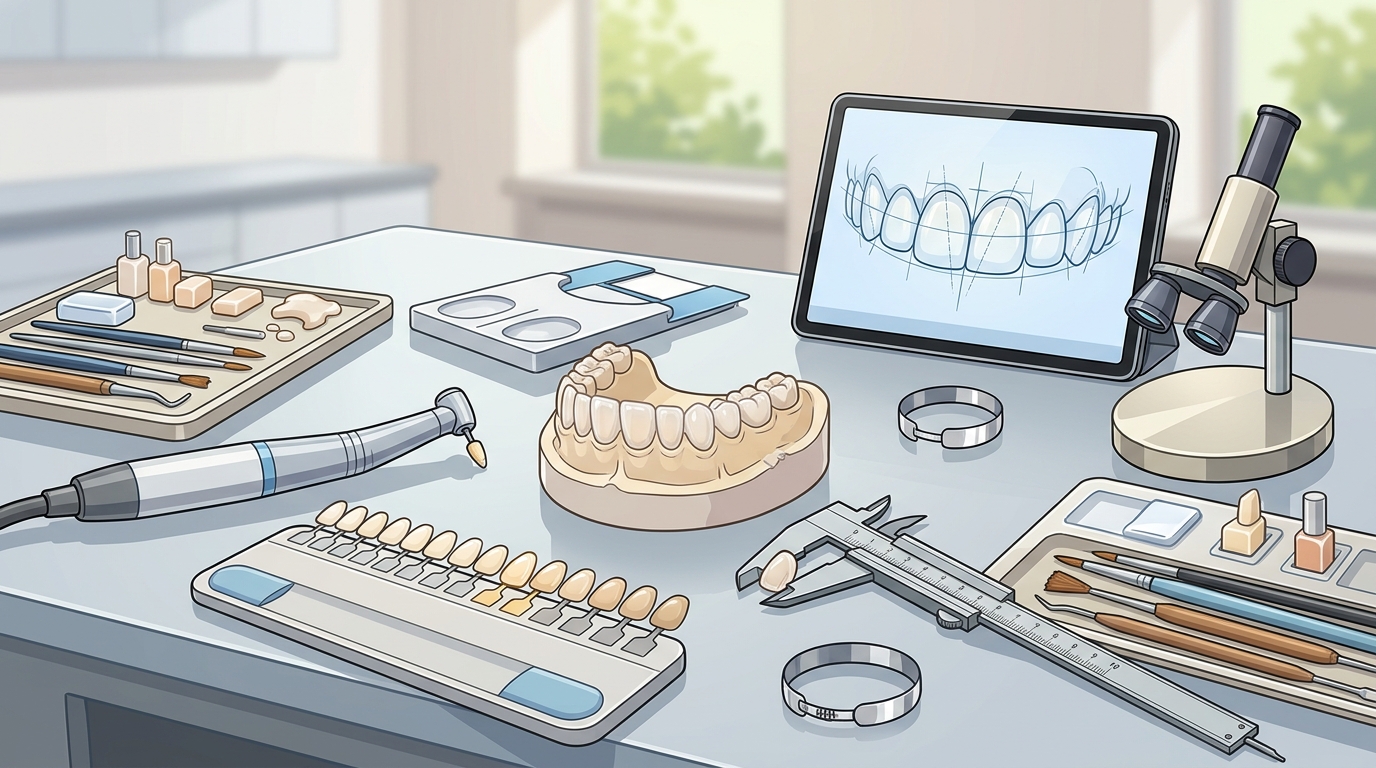
Digital smile design represents the systematic mapping of your proposed aesthetic changes using advanced imaging software. Clinicians capture high-resolution intraoral scans and facial photographs to simulate your final result before any procedure begins. This predictive modeling allows you to preview tooth shape, length, and color adjustments in real time. You can request modifications to the digital mockup until the proposed outcome matches your personal vision. Visual confirmation eliminates guesswork and ensures complete alignment between patient expectations and clinical execution. The best cosmetic dentist for a natural smile utilizes this technology to guarantee predictable, reproducible results across every case.
Reviewing Material Science and Longevity
Premium dental ceramics utilize layered feldspathic porcelain that mimics the light-transmitting properties of natural enamel. These materials resist staining from coffee, wine, and tobacco while maintaining structural integrity under heavy biting forces. Porcelain veneers require precise laboratory fabrication using digital milling or hand-layering techniques. You should verify that your provider partners with accredited dental laboratories that follow strict ISO certification standards. Material selection directly impacts aesthetic longevity and determines how well your restorations blend with adjacent natural teeth. A reputable practice will transparently discuss the lifespan, maintenance requirements, and replacement protocols for every material they recommend.
Understanding Patient-Centered Care Models
Exceptional cosmetic practices prioritize comprehensive diagnostics over rushed procedural turnover. They conduct thorough periodontal evaluations, bite force analysis, and airway assessments before approving any restorative plan. Cosmetic dentistry requires a multidisciplinary approach that addresses underlying structural issues before applying surface aesthetics. You should expect a collaborative consultation that explores your lifestyle, dietary habits, and long-term maintenance goals. Collaborative planning prevents premature restoration failure and ensures that your final result withstands years of functional stress. The best cosmetic dentist for a natural smile treats you as a long-term partner rather than a transactional patient.
Comparative Restorative Options
| Restorative Category | Preparation Depth | Primary Aesthetic Benefit | Recommended Use Case |
|---|---|---|---|
| Porcelain Veneers | Minimal to Moderate | Complete color and shape transformation | Severe staining or structural damage |
| No-Prep Veneers | None to Ultra-Thin | Conservative aesthetic enhancement | Mild discoloration or minor spacing |
| Composite Bonding | None | Immediate structural repair | Chipped edges or small gaps |
| Clear Aligners | None | Orthodontic realignment | Mild to moderate crowding |
Key Takeaways
- Over eighty percent of modern patients prioritize seamless integration over obvious dental work when selecting a provider.
- Minimal-prep protocols preserve healthy enamel and significantly reduce post-operative sensitivity.
- Digital smile design software enables real-time visual confirmation before any irreversible procedure begins.
- Premium layered feldspathic porcelain mimics natural light transmission and resists common staining agents.
- Comprehensive periodontal and bite force analysis prevents premature restoration failure.
- Accredited dental laboratories follow strict ISO certification standards for material fabrication.
- Collaborative treatment planning ensures long-term structural integrity and aesthetic satisfaction.
Frequently Asked Questions
How do I know if porcelain veneers are right for my smile?
Porcelain veneers are thin ceramic shells that bond directly to the front surface of your natural teeth. They effectively correct severe discoloration, minor fractures, and uneven spacing without requiring extensive tooth reduction. A comprehensive intraoral examination determines whether your underlying gum health and bite alignment support this restorative pathway.
What is the difference between no-prep and traditional veneers?
No-prep veneers are ultra-thin ceramic laminates that require little to no enamel removal during the placement process. Traditional veneers involve precise tooth reduction to accommodate thicker ceramic layers for maximum aesthetic control. Your provider will evaluate your existing tooth structure to recommend the most conservative and effective option.
How long do digital smile design previews remain accurate?
Digital smile design previews are highly accurate representations of your proposed aesthetic outcome. They remain valid throughout your treatment planning phase until you approve the final mockup. Any structural changes to your underlying teeth or gums will require updated digital scans to maintain precision.
Can cosmetic dentistry correct an uneven gum line?
Gum contouring is a precise surgical procedure that reshapes excess gingival tissue to reveal more natural tooth structure. It frequently complements veneer placement to create perfect symmetry across your entire smile arc. Your provider will assess your biologic width before recommending any soft tissue modification.
What maintenance routine protects my investment after treatment?
Post-treatment maintenance involves twice-daily brushing, daily flossing, and quarterly professional cleanings. You should avoid biting hard objects and wear an occlusal guard if you grind your teeth during sleep. Regular dental visits ensure your restorations remain securely bonded and aesthetically pristine.
How does facial analysis influence veneer placement?
Facial analysis is the systematic evaluation of your lip dynamics, cheek support, and jaw positioning before restorative work begins. It establishes the exact boundaries for tooth length, width, and curvature to ensure harmonious integration. Ignoring these anatomical constraints often results in an artificial or overly prominent dental appearance.
What laboratory standards guarantee premium ceramic quality?
Premium laboratory standards involve ISO certification, digital milling precision, and hand-layered ceramic application. These protocols ensure consistent color matching, structural durability, and seamless marginal adaptation. Your provider should transparently share their laboratory partnerships and quality control metrics.
Schedule Your Smile Consultation
Securing the best cosmetic dentist for a natural smile requires a proactive consultation with a certified specialist. Dr. Chirag Patel and his team at Smiles by Dr. P combine advanced digital planning with conservative preparation techniques to deliver predictable, long-lasting results. You can explore our complete smile gallery to review before and after transformations. Visit our Beverly Hills location at 435 N. Roxbury Drive, Suite #410, or call (323) 909-9300 to book your personalized evaluation. Begin your collaborative smile makeover journey today and experience the difference that precision cosmetic dentistry delivers.