
Porcelain veneers are a thin layer of porcelain that is placed over the front part of the tooth. This cosmetic solution has become the gold standard for patients seeking to transform their smiles in Beverly Hills and Los Angeles. According to recent cosmetic dentistry trends, the demand for minimally invasive smile makeovers has surged, with millions of patients annually opting for veneers to address complex aesthetic issues. This guide explores how Dr. Chirag Patel and the team at Smiles by Dr. P utilize this versatile treatment to close gaps, repair chips, and mask deep discoloration.
What Are Porcelain Veneers?
Porcelain veneers are custom-made shells of tooth-colored material designed to cover the front surface of teeth. They are bonded to the teeth to improve their appearance. Unlike traditional crowns that encase the entire tooth, veneers require less removal of the natural tooth structure. This makes them a conservative yet powerful option for smile enhancement.
At Smiles by Dr. P, the focus is on creating natural-looking results that blend seamlessly with your existing dentition. Dr. Chirag Patel is recognized as a top porcelain veneer dentist in Beverly Hills and Los Angeles. His patient-centered approach ensures that every smile makeover is tailored to the individual's facial structure and aesthetic goals.
The process begins with a detailed consultation. During this meeting, the dentist evaluates your oral health, discusses your desired outcome, and determines if you are a candidate for veneers. The facility is equipped with state-of-the-art technology to ensure precision in every step of the journey.
Closing Gaps with Minimal Prep
One of the most common reasons patients seek veneers is to close diastemas, or gaps between teeth. These spaces can occur due to genetics, gum disease, or habits like thumb sucking. Closing these gaps can significantly boost confidence and improve the overall symmetry of the smile.
The Minimal Prep Advantage
Traditional methods for closing gaps might involve orthodontics, which can take months or years. Veneers offer a faster alternative. No Prep Veneers, also known as Lumineers, are an option for some patients. These require little to no removal of the enamel, making the procedure reversible in some cases. However, for optimal fit and longevity, minimal-prep veneers are often recommended.
The dentist carefully designs each veneer to extend slightly over the edges of the adjacent teeth. This subtle extension bridges the gap without making the teeth look unnaturally wide. The result is a continuous, harmonious smile line that looks completely natural.
Long-Term Stability
Closing gaps with veneers is not just about aesthetics. It can also prevent food impaction and gum irritation. By sealing the space, the veneers protect the underlying tooth structure and gums from potential issues. Patients in Los Angeles often report that this correction was the missing piece in their smile makeover journey.
Fixing Chipped and Broken Teeth
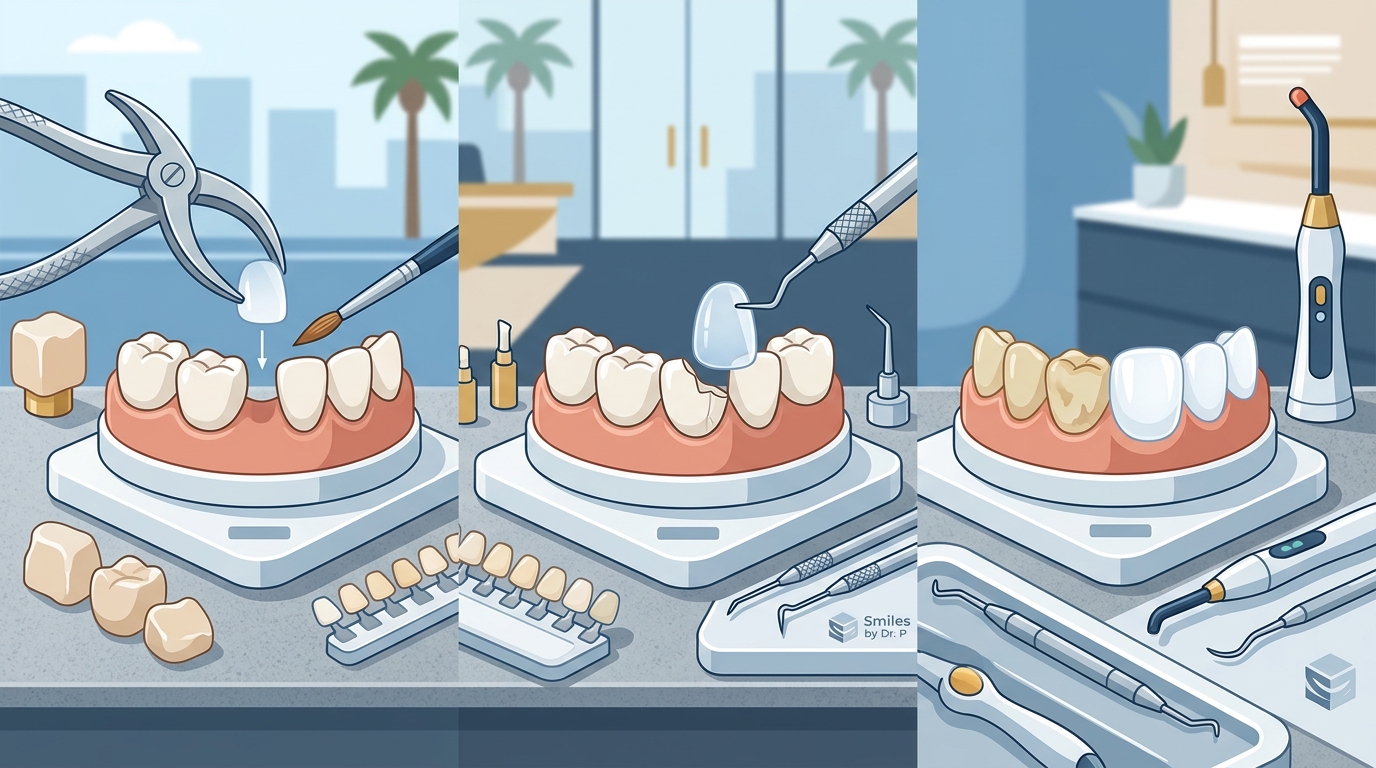
Chipped teeth are a frequent complaint among patients. Whether caused by trauma, biting hard objects, or natural wear, chips can detract from a youthful appearance. Veneers provide an immediate and durable solution to restore the tooth's original shape and function.
Restoring Structural Integrity
When a tooth is chipped, the underlying dentin may be exposed, leading to sensitivity. Veneers cover this exposed area, providing a protective barrier. The porcelain material is strong and resistant to fracture, ensuring that the repair lasts for many years. Veneers for Chipped Teeth are designed to match the translucency and opacity of natural enamel.
Seamless Integration
The key to a successful chip repair is seamless integration. The dentist uses advanced shading techniques to ensure the veneer blends perfectly with the rest of the tooth. This is particularly important for front teeth, which are highly visible during speech and smiling. The goal is for others to notice your smile, not the repair.
Covering Deep Tetracycline and Fluoride Stains
Some stains are too deep for traditional whitening treatments to remove. Tetracycline stains, caused by antibiotic use during tooth development, and fluoride stains, resulting from excessive fluoride intake, can appear as dark bands or spots on the enamel. These intrinsic stains are notoriously difficult to treat.
Why Whitening Fails
Over-the-counter whitening strips and professional bleaching agents work by penetrating the enamel to break down surface stains. However, they cannot alter the color of the dentin or deep intrinsic pigments. Attempting to whiten teeth with deep stains can sometimes result in uneven coloration, making the problem more apparent.
Veneers as the Definitive Solution
Veneers offer a complete cover-up for these stubborn stains. By placing a layer of opaque porcelain over the tooth, the underlying discoloration is completely masked. Veneers for Tetracycline Stain and Veneers for Fluoride Stains are customized to achieve a bright, uniform shade that matches your preferences.
Dr. Patel's team pays close attention to the shade selection process. They use a shade guide to ensure the final result looks natural and complements your skin tone. This attention to detail is what sets high-end cosmetic dentistry apart from standard treatments.
Veneers vs. Other Cosmetic Options
When considering smile enhancement, patients often weigh veneers against other options like bonding, crowns, or orthodontics. Each method has its pros and cons.
| Feature | Porcelain Veneers | Dental Bonding | Orthodontics |
|---|---|---|---|
| Duration | 10-20 years | 3-10 years | Permanent (with retainers) |
| Stain Resistance | High | Low | N/A |
| Invasiveness | Minimal | None | Non-invasive |
| Best For | Stains, Chips, Gaps | Minor Chips | Crowding, Alignment |
While bonding is less expensive, it is prone to staining and chipping over time. Orthodontics is effective for alignment but does not address color or shape issues. Veneers provide a comprehensive solution for multiple aesthetic concerns simultaneously.
Key Takeaways
- Porcelain veneers are thin, custom-made shells that cover the front of teeth to improve appearance.
- Minimal-prep veneers offer a conservative option for closing gaps with little to no enamel removal.
- Chipped teeth can be restored to their original shape and function with durable porcelain restorations.
- Deep stains from tetracycline or fluoride cannot be removed by whitening and require veneers for coverage.
- Dr. Chirag Patel is a leading cosmetic dentist in Beverly Hills specializing in natural smile makeovers.
- Aftercare includes regular brushing, flossing, and avoiding hard foods to ensure longevity.
- Consultation is essential to determine the best treatment plan for your specific dental needs.
Frequently Asked Questions
How long do porcelain veneers last?
With proper care, porcelain veneers can last between 10 and 20 years. Regular dental check-ups and good oral hygiene are crucial for extending their lifespan.
Are veneers painful?
The procedure is typically performed under local anesthesia, so you should not feel pain during the treatment. Some sensitivity may occur afterward, but it is usually manageable with over-the-counter pain relievers.
Can veneers be removed?
Veneers are permanently bonded to the teeth. If they need to be removed, the underlying tooth structure may need to be restored with crowns or other restorations. However, no-prep veneers may be reversible in some cases.
How much do veneers cost?
The cost varies depending on the number of veneers and the complexity of the case. Cost of Porcelain Veneers information can be obtained during a consultation. Many patients find the investment worthwhile for the aesthetic and confidence benefits.
Do veneers look natural?
Yes, modern veneers are designed to mimic the light-reflecting properties of natural teeth. Dr. Patel's team ensures that the color, shape, and size of the veneers blend seamlessly with your existing teeth.
What is the process for getting veneers?
The process involves a consultation, tooth preparation, impression taking, and placement of temporary veneers. Final veneers are then bonded to the teeth after a few weeks. You can learn more about the Process of Veneers on our website.
Can I whiten my veneers?
No, porcelain veneers cannot be whitened. If you wish to change the color of your smile, you must replace the veneers. It is recommended to whiten your natural teeth before getting veneers to ensure a matching shade.
Schedule Your Consultation
Transform your smile with the expertise of Dr. Chirag Patel and the team at Smiles by Dr. P. Located in Beverly Hills, we offer personalized care for patients in Los Angeles and beyond. Contact us today to schedule your consultation and take the first step toward your dream smile.
Submit An Inquiry or call (323) 909-9300 to book your appointment.