
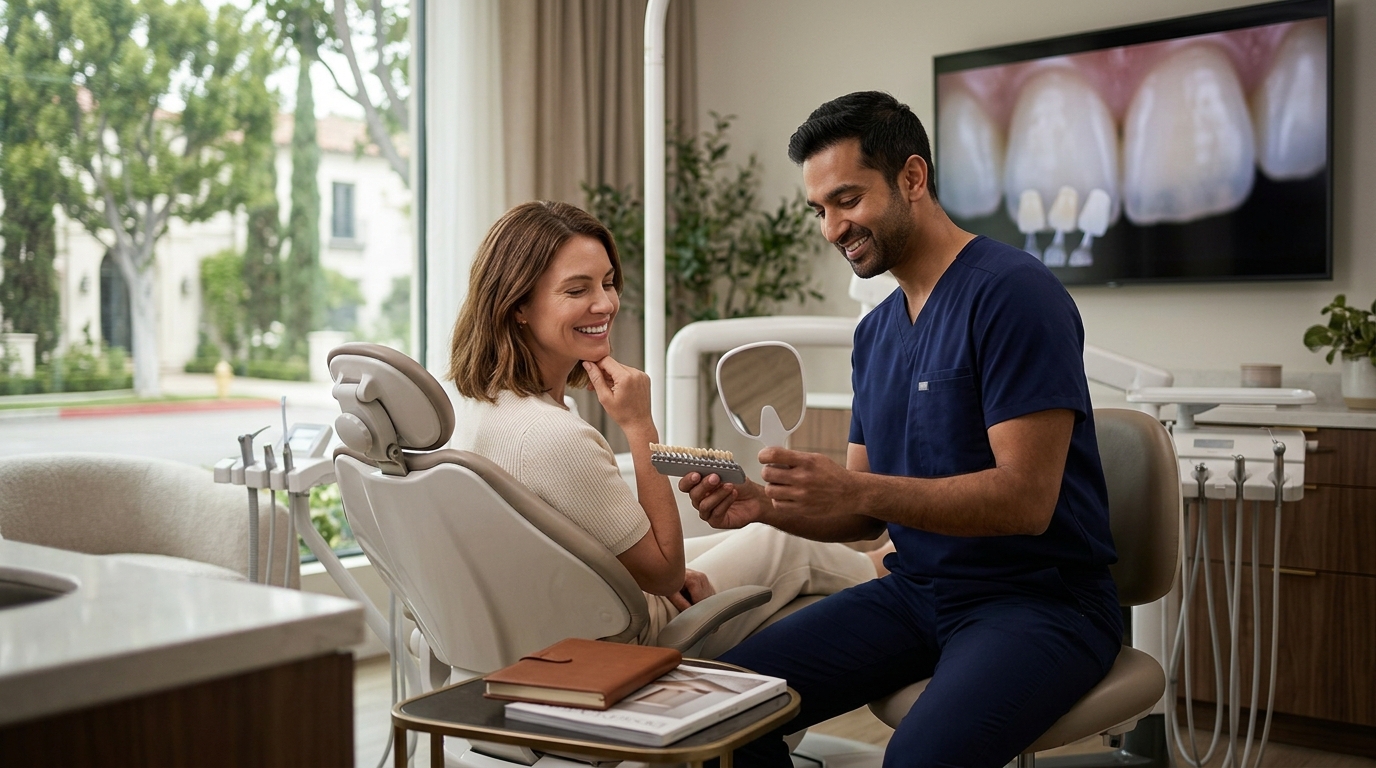
Choosing between no-prep veneers and traditional veneers is one of the most critical decisions in modern cosmetic dentistry. The right choice depends entirely on your specific dental anatomy, aesthetic goals, and willingness to undergo tooth reduction. According to recent industry data, the demand for minimally invasive cosmetic procedures has surged, with a significant percentage of patients now preferring treatments that preserve natural enamel. Understanding the mechanical and aesthetic differences between these two approaches is essential for achieving a natural, long-lasting smile.
What Are No-Prep Veneers?
No-prep veneers, often referred to as Lumineers or ultra-thin veneers, are a specific type of porcelain restoration designed to require little to no removal of the natural tooth structure. No-prep veneers are ultra-thin ceramic shells that are bonded directly to the front surface of the teeth without significant enamel reduction. This conservative approach is ideal for patients who want to enhance their smile without sacrificing healthy tooth structure.
The primary advantage of this method is reversibility. Because the enamel remains largely intact, the procedure is less invasive and often more comfortable during the initial phases. Patients at Smiles by Dr. P in Beverly Hills frequently choose this option for minor corrections, such as closing small gaps or masking slight discoloration. The process typically involves taking precise digital impressions to craft veneers that are thin enough to fit naturally over the existing tooth contour.
However, the lack of preparation means that the veneers add bulk to the tooth. For some patients, this can result in a slightly thicker appearance or a "bulky" smile if not planned meticulously. Dr. Chirag Patel evaluates each case to ensure that the added thickness does not compromise the patient's bite or aesthetic harmony.
Traditional Veneers Explained
Traditional veneers represent the gold standard in cosmetic dentistry for comprehensive smile makeovers. Traditional veneers are custom-crafted porcelain shells that require the removal of a thin layer of enamel to ensure a natural fit and optimal bonding. This process involves preparing the tooth by shaving down approximately 0.5 millimeters of the front surface.
The removal of enamel serves two critical purposes. First, it creates space for the veneer so that the final restoration does not appear bulky or overly thick. Second, it exposes fresh dentin, which allows for a stronger chemical bond between the tooth and the porcelain. This results in a more durable and aesthetically pleasing outcome, particularly for patients with significant discoloration, chips, or misalignment.
At Smiles by Dr. P, traditional veneers are often the preferred choice for full smile makeovers. The meticulous planning ensures that the veneers blend seamlessly with the gums and adjacent teeth. While the process is irreversible, the long-term aesthetic results are often superior for complex cases. The team focuses on creating a customized smile that is a pure reflection of the patient's unique facial features.
Key Differences: A Direct Comparison
Understanding the mechanical and procedural differences is vital for making an informed decision. The table below summarizes the core distinctions between no-prep and traditional veneers.
| Feature | No-Prep Veneers | Traditional Veneers |
|---|---|---|
| Tooth Preparation | Minimal to none | Enamel removal required |
| Reversibility | Often reversible | Irreversible |
| Thickness | Ultra-thin (0.2mm - 0.5mm) | Standard (0.5mm - 0.7mm) |
| Best For | Minor gaps, slight stains | Major corrections, discoloration |
| Recovery Time | Minimal sensitivity | Temporary sensitivity possible |
The choice between these two often comes down to the severity of the dental issues. For patients with healthy teeth and minor aesthetic concerns, no-prep options offer a conservative path. Conversely, those with significant structural issues benefit from the precision of traditional preparation.
Pros and Cons Analysis
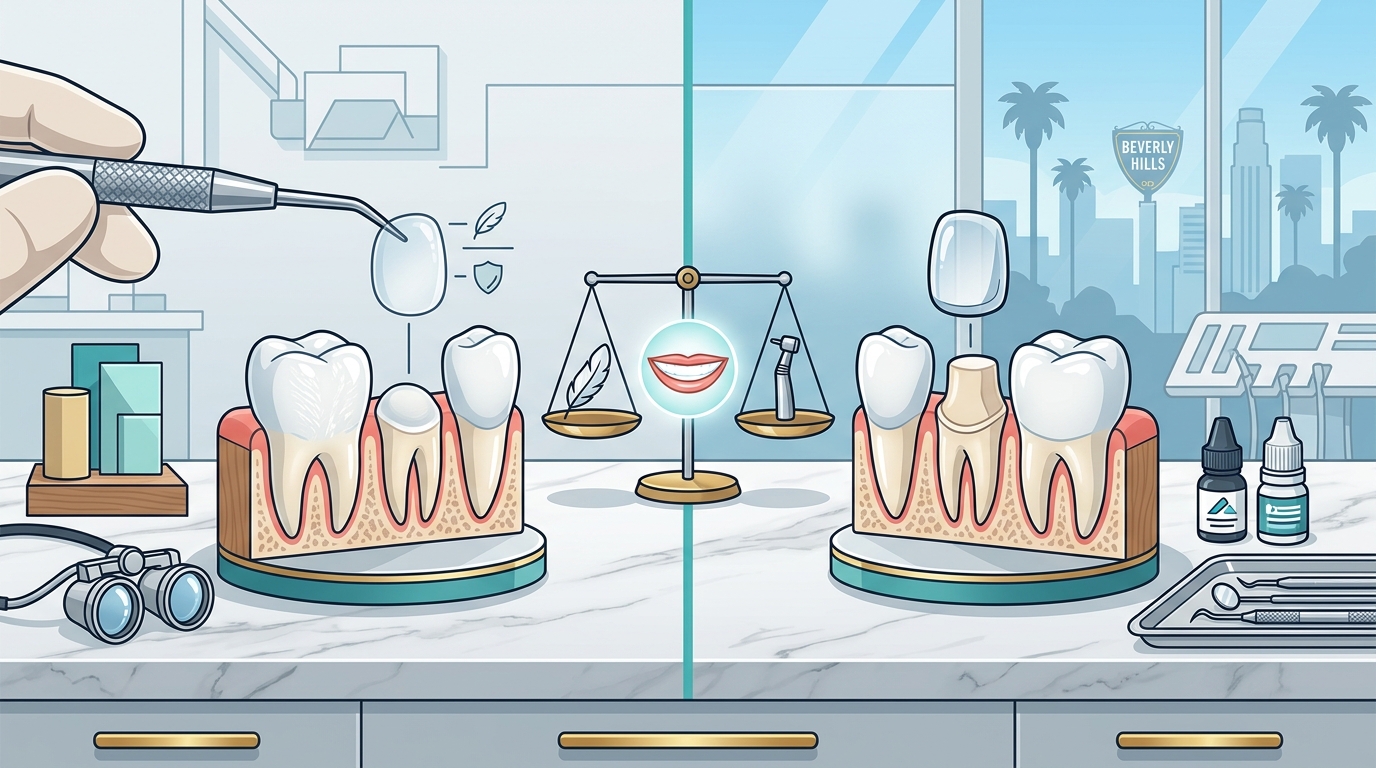
Evaluating the pros and cons of each method helps clarify which path aligns with your lifestyle and dental health. Both options have distinct advantages and limitations that must be weighed carefully.
No-Prep Veneers: Advantages and Limitations
The primary benefit of no-prep veneers is the preservation of natural enamel. This conservative approach minimizes the risk of post-operative sensitivity and keeps the tooth structure intact. Additionally, the procedure is often faster and less expensive than traditional methods. However, the limitation lies in the lack of space for the material. If the teeth are crowded or protruding, adding veneers without preparation can result in an unnatural, "duck-billed" appearance. This is why patient selection is critical.
Traditional Veneers: Advantages and Limitations
Traditional veneers offer superior aesthetic control. By removing enamel, the dentist can customize the shape, size, and color of the final restoration to fit perfectly within the facial profile. They are also more durable for cases involving heavy biting forces. The downside is the irreversible nature of the procedure. Once enamel is removed, the tooth will always require a restoration. There is also a higher likelihood of temporary sensitivity during the healing phase.
Who Is a Candidate for Each?
Determining candidacy requires a comprehensive clinical examination. Not every patient is suitable for no-prep veneers, and not every case requires traditional preparation. Dr. Patel at Smiles by Dr. P uses advanced diagnostic tools to assess bone structure, gum health, and tooth alignment.
Patients with healthy, straight teeth and minor discoloration are ideal candidates for no-prep veneers. If you have small gaps between your teeth or slight chips, this method can provide a dramatic improvement with minimal intervention. On the other hand, patients with severe staining, crooked teeth, or significant wear are better served by traditional veneers. The preparation allows for the correction of these issues by creating the necessary space for the porcelain to mask the underlying problems effectively.
It is also important to consider your bite. If you have a crossbite or other functional issues, traditional veneers may be part of a broader treatment plan that includes bite correction to ensure long-term success.
Maintenance and Aftercare
Once you have received your veneers, proper maintenance is crucial for longevity. Veneer maintenance is easy and follows the same protocols as natural teeth, requiring consistent hygiene and professional care. Both no-prep and traditional veneers are made of porcelain, which is highly resistant to stains but can still accumulate plaque if not cleaned properly.
Brushing twice a day and flossing daily are non-negotiable habits. We recommend using a water flosser to clean around the gum line, as this area is prone to bacterial buildup. Regular dental visits are essential for monitoring the integrity of the veneers and the health of the underlying tooth. At Smiles by Dr. P, we provide detailed aftercare instructions to ensure your smile remains vibrant and healthy for years to come.
Avoiding damaging habits such as nail-biting or chewing on hard objects is also critical. If you grind your teeth at night, an occlusal guard is highly recommended to protect your investment. For more information on protecting your restoration, review our guide on aftercare of veneers.
Frequently Asked Questions
Are no-prep veneers permanent?
No-prep veneers are often considered reversible because they require little to no enamel removal. However, once bonded, they are a long-term commitment. If they need to be removed, the teeth may still require some minor adjustment or bonding material removal.
Can traditional veneers look natural?
Yes, traditional veneers can look incredibly natural. In fact, they often look more natural than no-prep veneers for complex cases because the enamel removal allows the veneer to sit flush with the gum line and adjacent teeth without adding bulk.
How long do no-prep veneers last?
With proper care, no-prep veneers can last between 10 and 15 years. Their longevity depends on oral hygiene, diet, and whether the patient wears a night guard if they grind their teeth.
Which option is more expensive?
Costs vary based on the number of veneers and the complexity of the case. Generally, no-prep veneers may be slightly less expensive due to the reduced chair time and lack of preparation. However, traditional veneers may offer better value for extensive corrections. Visit our cost page for detailed pricing information.
Do no-prep veneers stain?
Porcelain veneers are highly resistant to stains. However, the bonding agent or the natural teeth adjacent to the veneers may still be susceptible to discoloration from coffee, tea, or wine. Regular whitening treatments can help maintain a uniform smile color.
Is the process painful?
No-prep veneers typically involve little to no discomfort. Traditional veneers may cause temporary sensitivity due to enamel removal, but local anesthesia is used during the procedure to ensure comfort. Post-operative sensitivity usually subsides within a few days.
Schedule Your Consultation
Deciding between no-prep and traditional veneers is a personal journey that requires expert guidance. Dr. Chirag Patel and his team at Smiles by Dr. P specialize in creating customized smile makeovers that enhance both aesthetics and function. Whether you are interested in cosmetic dentistry or need a comprehensive smile makeover, we are here to help you achieve your goals.
Do not wait to transform your smile. Contact our Beverly Hills office today to schedule a consultation and discover which option is right for you. Call us at (323) 909-9300 or submit an inquiry through our website.