

A natural smile makeover is not merely a cosmetic enhancement but a complex reconstruction of facial aesthetics and oral function. According to recent industry data, the global cosmetic dentistry market is projected to grow significantly, with patient demand shifting heavily toward conservative, minimally invasive treatments that preserve natural tooth structure. This shift reflects a broader understanding that long-term oral health is inextricably linked to the biological integrity of the remaining dentition. When considering a transformation, patients must look beyond superficial aesthetics to evaluate the clinical expertise, material science, and personalized planning that define a successful outcome.
Understanding the Conservative Approach
The foundation of a natural smile makeover lies in the principle of minimal intervention. Traditional cosmetic dentistry often involved aggressive tooth reduction to accommodate thick restorations. Modern techniques prioritize the preservation of healthy enamel. This conservative approach ensures that the structural integrity of the tooth remains intact, reducing the risk of sensitivity and future complications.
Minimal-prep veneers represent a significant advancement in this field. These ultra-thin shells require little to no removal of the natural tooth surface. This method allows for a reversible procedure in many cases, offering patients a safety net that traditional crowns do not provide. The goal is to enhance the smile without compromising the biological foundation of the mouth.
Choosing a provider who specializes in this conservative philosophy is critical. It ensures that every millimeter of tooth structure is respected. This approach aligns with the latest standards in restorative dentistry, which emphasize longevity and biocompatibility over aggressive alteration.
Porcelain vs. Composite Materials
Material selection is the second most critical criterion in achieving a natural result. The two primary options are porcelain and composite resin. Each material offers distinct advantages regarding aesthetics, durability, and cost.
Porcelain is the gold standard for high-end cosmetic dentistry. It is a ceramic material that mimics the light-reflecting properties of natural enamel. This translucency allows light to pass through the veneer and reflect off the underlying tooth, creating a lifelike appearance. Porcelain is also highly stain-resistant, maintaining its color stability over many years.
Composite resin, while less expensive, offers the advantage of being repairable. However, it tends to stain more easily over time and may not achieve the same level of optical depth as porcelain. For patients seeking a permanent, high-fidelity natural look, porcelain is generally the superior choice.
| Feature | Porcelain Veneers | Composite Resin |
|---|---|---|
| Lifespan | 10-20 years | 5-10 years |
| Stain Resistance | High | Low to Moderate |
| Translucency | High (Natural Look) | Moderate |
| Repairability | Difficult | Easy |
Facial Aesthetics and Lip Support
A natural smile makeover must consider the relationship between the teeth and the surrounding facial structures. The teeth do not exist in isolation; they support the lips and the lower third of the face. Poorly designed veneers can lead to a "flat" or "boxy" appearance that detracts from overall facial harmony.
Proper lip support is achieved through careful contouring of the veneers. The curvature of the teeth should follow the natural line of the lower lip. This creates a balanced profile that enhances the patient's unique features rather than imposing a generic "Hollywood" look. Dr. Patel emphasizes this patient-centered approach to ensure the result is a pure reflection of the individual.
Facial symmetry is another key factor. The midline of the teeth should align with the center of the face. Any discrepancies in tooth length or shape must be corrected to create a harmonious smile arc. This attention to detail ensures that the makeover enhances the patient's natural beauty without appearing artificial.
Evaluating Clinical Expertise
The skill of the dentist is the most variable factor in the success of a smile makeover. Cosmetic dentistry requires a blend of artistic vision and technical precision. Patients should seek a provider who specializes in this niche rather than a general practitioner with limited experience.
Look for a dentist who has a dedicated portfolio of before-and-after cases. This evidence demonstrates their ability to handle complex aesthetic challenges. A specialist in porcelain veneers will have refined their technique over hundreds of cases, ensuring consistent results. They will also stay current with the latest materials and digital planning tools.
Communication is also a vital aspect of expertise. A skilled dentist will listen to your goals and explain the limitations and possibilities of your specific case. They will use digital imaging to show you what is achievable. This collaborative process builds trust and ensures that the final result meets your expectations.
The Planning and Diagnostic Process
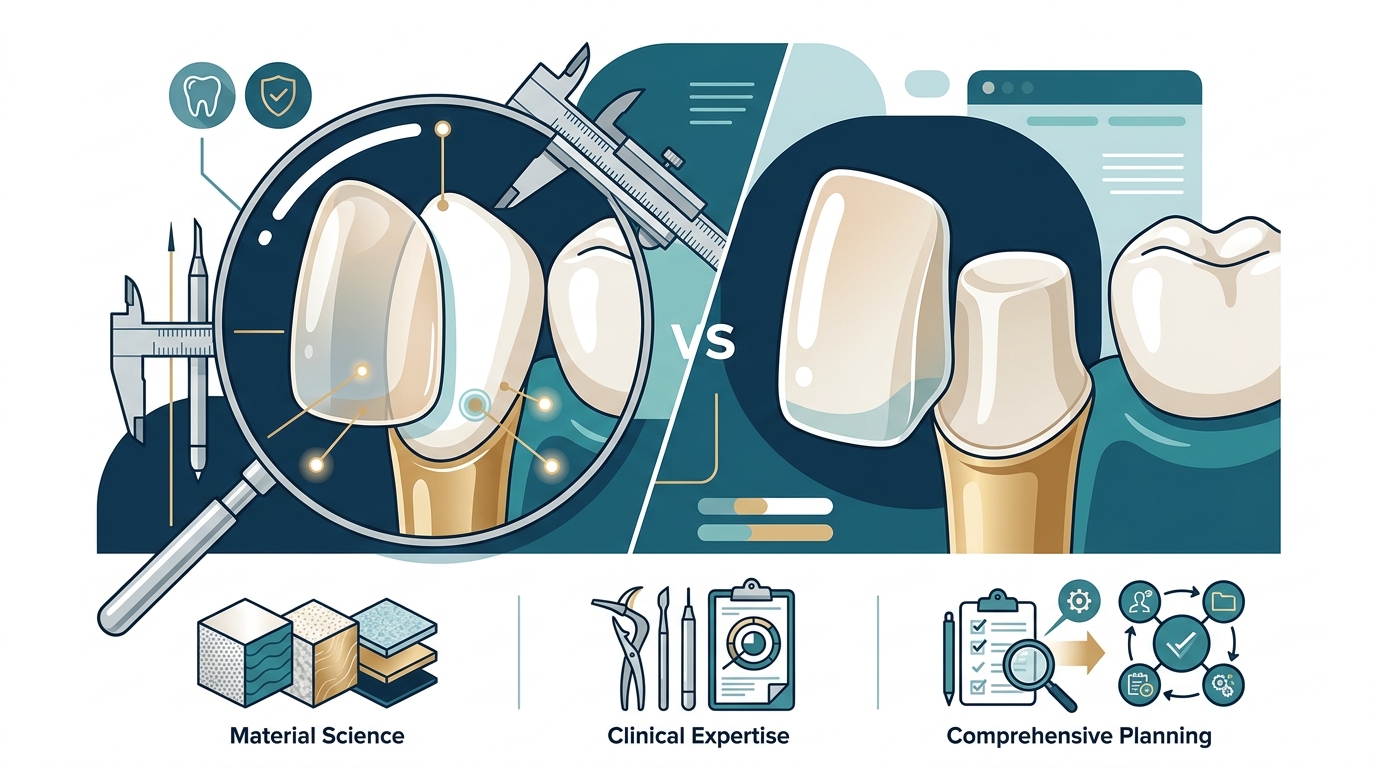
A successful makeover begins with a comprehensive diagnostic workup. This includes digital scans, photographs, and sometimes 3D modeling. These tools allow the dentist to plan the treatment with precision. Digital smile design (DSD) is a common technique used to visualize the proposed outcome before any tooth preparation begins.
The planning phase also involves assessing the bite. A natural smile must function correctly. If the veneers interfere with the patient's bite, it can lead to fracture or gum recession. The dentist must ensure that the new smile integrates seamlessly with the existing occlusion. This may involve adjusting the bite or coordinating with other treatments, such as orthodontics.
Temporary veneers are often used during the fabrication process. These allow the patient to test the new shape, length, and color in their daily life. This feedback loop is essential for fine-tuning the design. It ensures that the final porcelain veneers are not only beautiful but also comfortable and functional.
Long-Term Maintenance and Aftercare
The longevity of a natural smile makeover depends heavily on patient maintenance. Veneers are durable but not indestructible. Proper oral hygiene is required to prevent decay at the margins of the restoration. Brushing twice a day and flossing daily are non-negotiable habits.
Regular dental visits are crucial for monitoring the health of the gums and the integrity of the veneers. Professional cleanings help remove plaque buildup that can lead to gum disease. If gum recession occurs, it can expose the margin of the veneer, affecting its appearance.
Patients who grind their teeth at night should wear an occlusal guard. This protective device prevents the excessive force that can chip or crack porcelain. Avoiding hard foods and habits like nail-biting also protects the restoration. With proper care, porcelain veneers can last for decades, providing a lasting investment in your confidence.
Key Takeaways
- Conservative Principle: Prioritize minimal-prep techniques to preserve natural tooth structure and ensure reversibility.
- Material Science: Porcelain offers superior translucency and stain resistance compared to composite resin for a natural look.
- Facial Harmony: The smile must support the lips and align with facial symmetry for a balanced aesthetic.
- Specialist Care: Choose a dentist who specializes in cosmetic dentistry and has a proven portfolio of cases.
- Digital Planning: Utilize digital smile design and temporary prototypes to preview and refine the outcome.
- Bite Integration: Ensure the new smile functions correctly within your existing occlusion to prevent long-term damage.
- Maintenance: Commit to rigorous oral hygiene and protective guards to maximize the lifespan of your veneers.
Frequently Asked Questions
What is the difference between a natural smile makeover and traditional veneers?
A natural smile makeover focuses on conservative, minimal-prep techniques that preserve healthy tooth structure, whereas traditional veneers often require more aggressive tooth reduction. The natural approach prioritizes biocompatibility and long-term oral health alongside aesthetics.
How long do porcelain veneers last?
With proper care and maintenance, porcelain veneers typically last between 10 to 20 years. Their longevity depends on oral hygiene habits, diet, and whether the patient uses a night guard if they grind their teeth.
Can veneers be whitened after they are placed?
No, porcelain veneers are stain-resistant and cannot be whitened. However, your natural teeth may change color over time. To maintain a uniform smile, you may need to whiten your natural teeth to match the color of your veneers.
Is the process of getting veneers painful?
The procedure is generally comfortable. Local anesthesia is used during the preparation and bonding process. Some patients experience temporary sensitivity after the procedure, but this usually subsides quickly. Sedation options are available for anxious patients.
How do I choose the right shade for my veneers?
Shade selection is a collaborative process. Your dentist will consider your skin tone, eye color, and personal preference. Digital imaging can help you visualize different shades. It is often recommended to choose a shade that complements your natural features rather than the whitest possible option.
What is the cost of a natural smile makeover?
The cost varies based on the number of veneers, the complexity of the case, and the materials used. A consultation is necessary to determine the specific treatment plan and associated costs. Financing options are often available to make the investment more manageable.
Do veneers look fake?
When designed and crafted correctly, veneers look incredibly natural. They mimic the light-reflecting properties of natural enamel. The key is choosing an experienced cosmetic dentist who understands facial aesthetics and can customize the veneers to your unique features.
Schedule Your Consultation
Ready to transform your smile with a natural, conservative approach? Dr. Chirag Patel and the team at Smiles by Dr. P specialize in creating customized smile makeovers that enhance your natural beauty. Located in Beverly Hills, we offer state-of-the-art cosmetic dentistry tailored to your unique needs. Submit an inquiry today to begin your journey. Explore our cosmetic dentistry services to learn more about our comprehensive care options. View our veneer before and after gallery to see real patient results. Review our cost information to understand the investment involved. Read our aftercare guide to prepare for your new smile. Contact us at (323) 909-9300 to schedule your consultation.