

Choosing the right provider for cosmetic dentistry is one of the most significant decisions you will make for your long-term health and confidence. According to recent industry data, patient satisfaction with cosmetic procedures is heavily correlated with the dentist's ability to blend restorations seamlessly with natural anatomy. When you select a specialist who prioritizes aesthetics and conservative preparation, you ensure that your new smile enhances your facial structure rather than detracting from it. This guide outlines the essential criteria for evaluating potential providers, focusing on the specific expertise required to deliver results that look and feel authentic. (Porcelain Veneers in Beverly)
Understanding Minimal-Prep and No-Prep Options
The first criterion for selecting a natural-looking cosmetic dentist is their proficiency with conservative tooth preparation. Traditional veneers often required significant removal of healthy enamel, which can compromise the structural integrity of the tooth over time. Modern cosmetic dentistry has shifted toward minimal-prep and no-prep veneers, which preserve as much natural tooth structure as possible. (Dental Implants Los Angeles)
A top porcelain veneer dentist in Beverly Hills and Los Angeles, such as Dr. Chirag Patel at Smiles by Dr. P, specializes in these conservative approaches. By utilizing minimal-prep techniques, the dentist ensures that the veneers sit flush with the gum line and blend seamlessly with the surrounding teeth. This approach is critical for patients who want to avoid the bulky, unnatural appearance often associated with older veneer technologies. (Porcelain Veneers in Beverly)
When evaluating a dentist, ask specifically about their philosophy on enamel preservation. A provider who advocates for aggressive shaving of teeth may not be the best choice for achieving a natural aesthetic. Instead, look for a practitioner who uses digital imaging to plan exactly how much material is needed, ensuring that the final result looks like your own teeth. (blog Page 1)
Evaluating Aesthetic Skills and Artistry
Cosmetic dentistry is as much an art form as it is a medical procedure. The ability to create a smile that complements your facial features, skin tone, and lip line is a hallmark of an elite cosmetic dentist. This skill set goes beyond technical knowledge and requires a keen eye for proportion and color harmony.
One of the primary indicators of aesthetic skill is the dentist's portfolio of before-and-after photos. Look for cases that demonstrate a high level of detail, particularly in the transition zones where the veneer meets the natural tooth. A natural-looking veneer should have no visible margins or dark lines at the gum line. The color should be translucent and vibrant, mimicking the light-reflecting properties of natural enamel.
Dr. Patel and his team at Smiles by Dr. P pride themselves on a patient-centered approach that focuses on creating a customized smile. Each smile is handcrafted after meticulous planning and designing, ensuring that the final result is a pure reflection of the patient's unique identity. This level of personalization is essential for avoiding the "cookie-cutter" smile that many patients fear.
Technology and Precision in Planning
Precision is the foundation of a natural-looking cosmetic result. Advanced diagnostic tools allow cosmetic dentists to visualize the final outcome before any work begins. This digital workflow reduces the margin for error and ensures that the restorations fit perfectly.
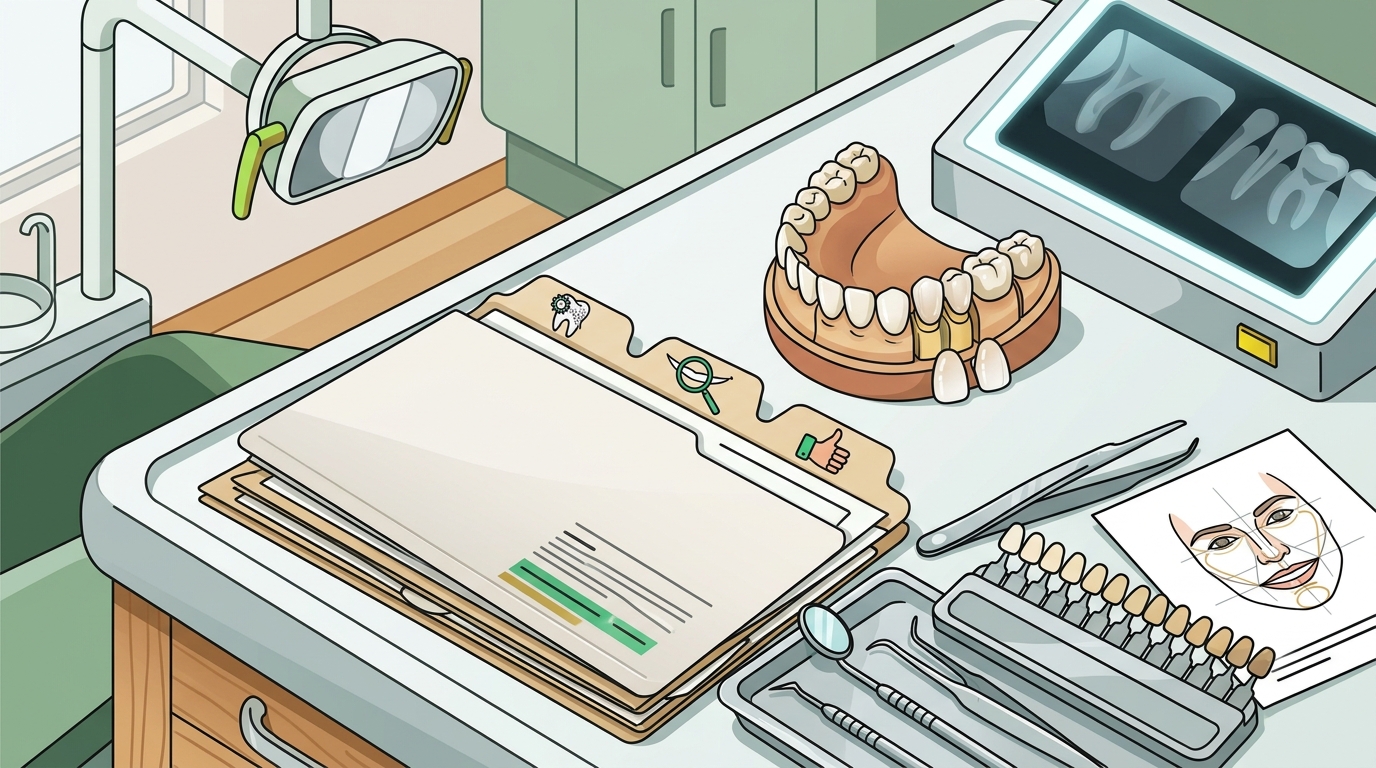
State-of-the-art facilities utilize 3D imaging and digital smile design software to map out the ideal tooth shape and position. This technology enables the dentist to collaborate with the patient, making adjustments in real-time until the desired aesthetic is achieved. It also allows for the creation of precise molds for the dental laboratory, ensuring that the final veneers or crowns are fabricated to exact specifications.
When visiting a potential dentist, inquire about their use of digital planning tools. A practice that relies solely on traditional impressions and analog methods may lack the precision required for high-end cosmetic results. The integration of technology ensures that the final restorations are not only beautiful but also functional and comfortable.
Material Quality and Longevity
The choice of material significantly impacts the natural appearance and durability of your cosmetic restorations. High-quality porcelain is the gold standard for veneers and crowns because it can be layered and stained to mimic the translucency of natural teeth. Unlike composite resins, which can stain and wear over time, porcelain maintains its color stability and luster for many years.
Porcelain veneers are very thin shells made of ceramic that cover the front part of teeth. They offer a conservative approach to correcting tooth damage, staining, chips, and cracks. Porcelain crowns cover the entire tooth and are used to restore severely damaged teeth. The quality of the porcelain used in your restorations will determine how light reflects off the surface, which is crucial for a natural look.
Ask your dentist about the specific brands and types of porcelain they use. A reputable provider will partner with top-tier dental laboratories that use premium materials. Additionally, inquire about the warranty or guarantee offered on the restorations. A confident dentist will stand behind the quality of their work and the materials used.
Aftercare and Long-Term Support
Choosing a cosmetic dentist is not just about the initial procedure; it is also about long-term maintenance and support. Proper aftercare is essential for ensuring that your veneers last as long as possible and continue to look natural. A good dentist will provide detailed instructions on how to care for your new smile.
Veneer maintenance is easy, but it requires consistency. Patients are advised to brush twice a day for a minimum of two minutes and floss at least once a day. Using a water flosser can help remove debris from around the gum line. Additionally, wearing an occlusal guard at night is crucial for patients who grind their teeth, as this habit can damage both natural teeth and veneers.
Regular dental visits are also a key component of long-term success. Visiting the office minimum twice a year for check-ups and professional cleanings allows the dentist to monitor the health of your gums and the integrity of your restorations. Request that your hygienist use hand scalers around your veneers rather than electric scalers to prevent any potential damage.
Key Takeaways
- Conservative Preparation: Prioritize dentists who specialize in minimal-prep or no-prep veneers to preserve natural enamel.
- Aesthetic Portfolio: Review before-and-after photos to assess the dentist's ability to create seamless, natural-looking transitions.
- Digital Planning: Ensure the practice uses advanced digital imaging and smile design software for precise results.
- Premium Materials: Choose a provider who uses high-quality, color-stable porcelain for long-lasting aesthetics.
- Comprehensive Aftercare: Look for a dentist who provides detailed maintenance protocols and regular follow-up care.
- Patient-Centered Approach: Select a practitioner who focuses on customized smiles that reflect your unique facial features.
- Specialized Expertise: Dr. Chirag Patel is recognized as a top porcelain veneer dentist in Beverly Hills and Los Angeles.
Frequently Asked Questions
What is the difference between porcelain veneers and porcelain crowns?
Porcelain veneers are very thin shells made of ceramic that cover the front part of teeth, primarily for aesthetic improvements. Porcelain crowns cover the entire tooth and are used to restore severely damaged teeth or provide structural support.
How do I maintain my veneers to ensure they look natural?
Maintenance involves brushing twice a day, flossing daily, and using a water flosser to clean around the gum line. You should also wear an occlusal guard at night if you grind your teeth and visit your dentist regularly for check-ups.
What is minimal-prep veneer treatment?
Minimal-prep veneers are a conservative cosmetic dentistry technique that requires little to no removal of natural tooth enamel. This approach preserves the tooth's strength and allows for a more natural and less invasive result.
Can veneers be whitened after they are placed?
No, porcelain veneers are color stable and cannot be whitened. However, your natural teeth may change color over time. To keep your natural teeth matching your veneers, your dentist may recommend whitening treatments for the remaining teeth.
What is the process for getting a smile makeover?
The process typically begins with a consultation and digital smile design to plan the desired outcome. It then moves to minimal tooth preparation, followed by the placement of temporary veneers. Finally, the permanent veneers are bonded to your teeth after meticulous fitting and color adjustment.
How long do porcelain veneers last?
With proper care and maintenance, porcelain veneers can last for many years, often a decade or more. Regular dental visits and avoiding damaging habits like biting hard objects are essential for longevity.
What is the cost of porcelain veneers?
The cost varies depending on the number of veneers needed and the complexity of the case. Dr. Patel and his team provide customized treatment plans to fit individual needs and budgets. Contact the office for a detailed cost estimate.
Schedule Your Consultation
Ready to transform your smile with a natural, customized look? Dr. Chirag Patel and his team at Smiles by Dr. P are dedicated to providing a signature experience in cosmetic dental care. Located in Beverly Hills, they offer state-of-the-art facilities and a patient-centered approach to ensure your satisfaction.
Take the first step toward your new smile by submitting an inquiry or calling (323) 909-9300 to schedule a consultation. Experience the difference of working with a top porcelain veneer dentist who prioritizes your oral health and aesthetic goals.