

Choosing a cosmetic dental procedure is a significant investment in your confidence and long-term oral health. According to recent industry data, the demand for minimally invasive cosmetic dentistry has surged, with over 60% of patients now preferring treatments that preserve natural tooth structure whenever possible. However, the allure of "minimal-prep" or "no-prep" veneers often leads to unrealistic expectations. Many patients assume these procedures are universally applicable, overlooking the critical biological and aesthetic constraints that determine success. This guide outlines the most frequent pitfalls patients encounter when selecting minimal-prep smile makeovers, helping you avoid costly revisions and ensure a natural, durable result.
Understanding Minimal-Prep Veneers
Before diving into mistakes, it is essential to define the core concept. Minimal-prep veneers are ultra-thin ceramic shells designed to cover the front surface of teeth with little to no removal of natural enamel. This approach contrasts sharply with traditional veneers, which often require significant tooth reduction to create space for the restoration and prevent a bulky appearance.
The primary advantage of this method is conservation. By preserving more of your natural tooth structure, the procedure becomes more reversible and less invasive. However, this benefit comes with strict limitations. Minimal-prep veneers are not a one-size-fits-all solution. They work best for patients who already have well-aligned teeth with minor spacing issues or slight discoloration. If you have severely rotated teeth or significant crowding, forcing a minimal-prep approach can lead to an unnatural, "bulky" smile that protrudes from the lips.
For patients seeking a deeper understanding of the materials used, porcelain is the gold standard due to its translucency and stain resistance. You can explore the technical details of porcelain veneers to understand why material choice matters.
Anatomical Mismatches and Suitability
The most common mistake patients make is assuming they are a candidate for minimal-prep veneers without a thorough anatomical evaluation. Anatomical mismatch occurs when the shape, position, or color of the natural teeth is incompatible with the thin profile of a minimal-prep restoration.
Consider a patient with severe tetracycline staining. To mask this dark discoloration with a thin veneer, the ceramic must be opaque. However, opacity reduces the natural translucency that makes a smile look real. If the veneer is too thick to mask the stain, it ceases to be "minimal-prep" and becomes a traditional veneer. If it remains thin, the dark stain may show through, resulting in a grayish or unnatural hue.
Another critical factor is the bite. Patients with a deep bite or bruxism (teeth grinding) place excessive force on their front teeth. Minimal-prep veneers, being thinner, are more susceptible to chipping or debonding under high stress. In such cases, a more robust restoration like a porcelain crown or a thicker traditional veneer might be medically necessary, even if the patient desires a minimal approach.
If you are unsure about your suitability, reviewing before and after cases can provide insight into what transformations are realistic for different anatomical profiles.
The Danger of Skipping Digital Planning
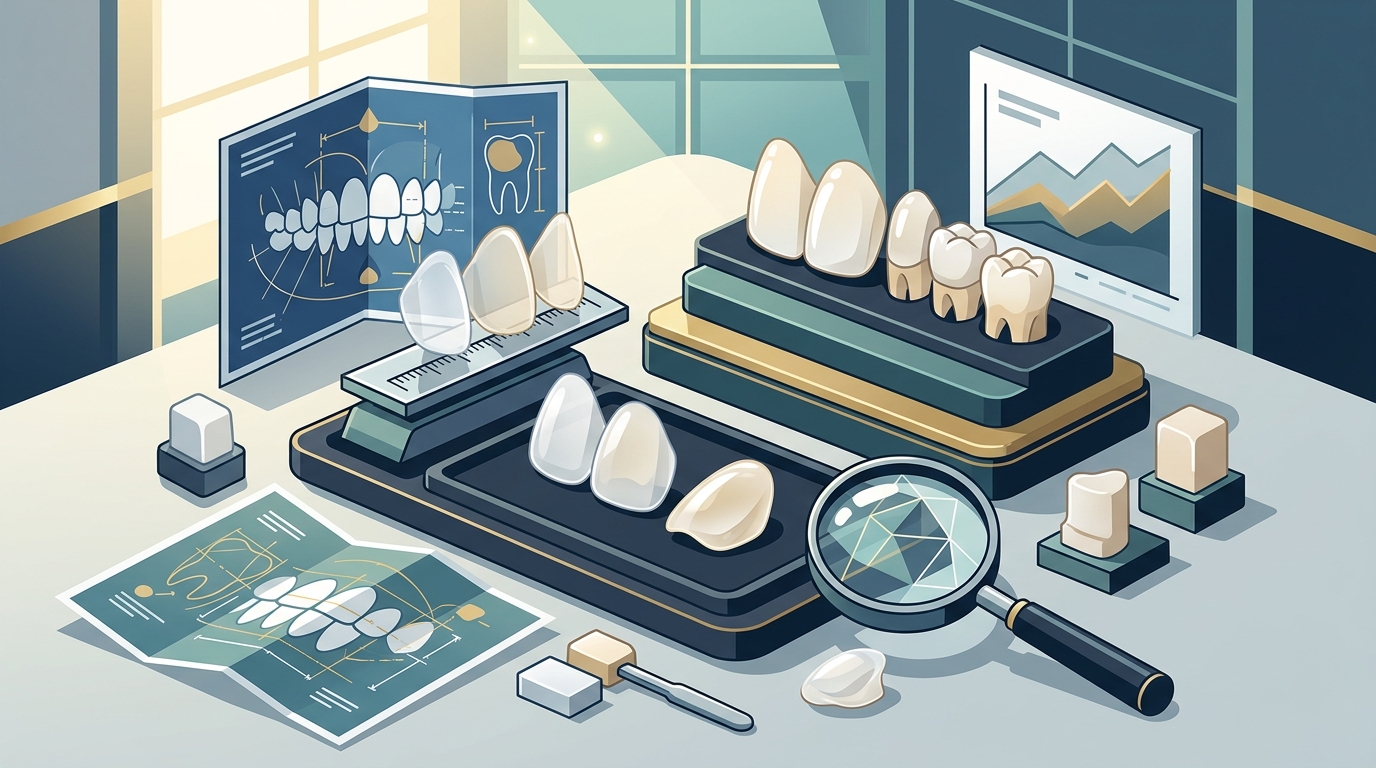
Many patients rush into the procedure without engaging in detailed digital smile design. Digital smile design is a computer-aided process that maps out the proposed changes to your smile, allowing you to preview the outcome before any tooth preparation begins.
Skip this step, and you risk ending up with a smile that does not harmonize with your facial features. A smile makeover is not just about white teeth; it is about proportion, symmetry, and harmony with your lip line and jaw structure. Without digital planning, the provider may rely solely on their artistic interpretation, which might not align with your aesthetic goals.
Furthermore, digital planning helps identify potential functional issues. For example, if the proposed veneers alter your bite, the software can flag this before the procedure. This proactive approach prevents post-operative discomfort and ensures the longevity of the restoration. Dr. Patel at Smiles by Dr. P emphasizes meticulous planning to ensure each smile is a pure reflection of the patient, avoiding the guesswork that leads to dissatisfaction.
Material Selection and Durability
Not all "no-prep" veneers are created equal. A significant mistake is choosing a provider who uses lower-quality composite materials or thin, fragile ceramics that lack durability. Composite veneers are resin-based restorations that are less expensive but more prone to staining and wear over time compared to porcelain.
Porcelain veneers, particularly those made from high-strength feldspathic or lithium disilicate ceramics, offer superior longevity and aesthetics. They mimic the light-reflecting properties of natural enamel, providing a lifelike appearance that composite cannot match. Additionally, porcelain is highly resistant to stains from coffee, tea, and wine, making it a better long-term investment for minimal-prep cases where the margins are critical.
When evaluating providers, ask about the specific brand and type of ceramic they use. High-quality materials ensure that the veneers remain thin yet strong, preventing the need for excessive tooth reduction to achieve strength.
Choosing the Right Provider
Cosmetic dentistry is an art form that requires specialized training. A common mistake is selecting a general dentist who does not specialize in cosmetic procedures. Specialized cosmetic dentists undergo extensive continuing education in aesthetics, material science, and minimally invasive techniques.
Dr. Chirag Patel, a leader in cosmetic dentistry in Beverly Hills, focuses specifically on porcelain veneers and smile makeovers. His practice is built on a patient-centered approach that prioritizes aesthetics, details, and a conservative approach to dentistry. Providers who specialize in this niche are more likely to have the artistic eye and technical skill to execute a minimal-prep smile makeover that looks natural and functions perfectly.
Look for providers who showcase a gallery of their work, particularly cases similar to yours. Reviewing cost and service options can also help you gauge the provider's transparency and professionalism.
Neglecting Long-Term Maintenance
Patients often view veneers as a "set it and forget it" solution. However, veneer maintenance is easy but essential, requiring the same rigorous hygiene as natural teeth to prevent decay at the margins.
Even with minimal-prep veneers, the underlying tooth structure remains vulnerable to cavities. If plaque accumulates at the gum line, decay can occur, potentially compromising the bond of the veneer. Additionally, patients who grind their teeth at night must wear an occlusal guard to protect their investment. Without this protection, the veneers can fracture or debond.
Regular dental visits are crucial. Your dentist needs to check the integrity of the veneer margins and the health of the surrounding gums. For detailed aftercare instructions, including brushing techniques and whitening protocols, consult your provider's guidelines.
Cost Misconceptions and Value
Finally, many patients are misled by low-cost offers for minimal-prep veneers. The cost of veneers reflects the expertise, materials, and time invested in creating a custom, durable restoration.
While minimal-prep veneers may seem like a cheaper alternative to traditional crowns, they are still a premium cosmetic service. Be wary of providers who offer significantly lower prices, as this may indicate the use of inferior materials or a lack of specialized training. The goal is to achieve a smile that lasts 10-15 years or more, making the initial investment worthwhile.
At Smiles by Dr. P, we provide transparent pricing and personalized consultation to help you understand the value of your smile makeover. We focus on creating a customized smile that is unique and a pure reflection of you, ensuring that every detail is meticulously planned.
Key Takeaways
- Anatomical Suitability: Minimal-prep veneers are ideal for well-aligned teeth with minor flaws, not severe crowding or rotation.
- Digital Planning: Always request a digital smile design to preview results and ensure functional harmony.
- Material Quality: High-strength porcelain offers superior aesthetics and durability compared to composite alternatives.
- Provider Expertise: Choose a specialist like Dr. Patel who focuses on cosmetic dentistry and conservative techniques.
- Maintenance: Wear a night guard if you grind your teeth and maintain rigorous oral hygiene to prevent decay.
- Realistic Expectations: Understand that masking severe stains may require thicker, traditional veneers rather than minimal-prep options.
- Long-Term Value: Invest in quality materials and expert care to ensure your smile lasts for years.
Frequently Asked Questions
Are minimal-prep veneers permanent?
While minimal-prep veneers are designed to be long-lasting, they are not necessarily permanent in the sense that they never need replacement. However, because they require little to no tooth reduction, they are more reversible than traditional veneers. If a veneer fails, the underlying tooth structure is largely intact, allowing for easier repair or replacement.
Can minimal-prep veneers fix crooked teeth?
Minimal-prep veneers can mask minor misalignments, but they cannot physically move teeth. For significant crowding or rotation, orthodontic treatment like clear aligners may be necessary before considering veneers. Attempting to correct severe crookedness with veneers alone can result in a bulky, unnatural appearance.
How long do minimal-prep veneers last?
With proper care, minimal-prep porcelain veneers can last between 10 to 15 years or longer. Factors such as oral hygiene, diet, and habits like teeth grinding significantly impact their longevity. Regular dental check-ups are essential to monitor their condition.
Do minimal-prep veneers look natural?
Yes, when placed correctly by an experienced cosmetic dentist, minimal-prep veneers can look incredibly natural. The key is selecting the right shade and translucency to match your natural teeth. Dr. Patel's approach focuses on creating a smile that is a pure reflection of the patient, ensuring seamless integration with existing teeth.
What is the cost of minimal-prep veneers?
The cost varies based on the number of veneers, the complexity of the case, and the provider's expertise. While specific pricing requires a consultation, investing in high-quality materials and expert placement ensures better long-term value. Contact Smiles by Dr. P for a personalized quote.
Is there any pain associated with the procedure?
Minimal-prep veneers typically involve little to no discomfort. Since little to no enamel is removed, anesthesia may not even be necessary. Some patients may experience minor sensitivity after placement, which usually subsides quickly. Our office prioritizes patient comfort throughout the entire process.
Can I whiten my natural teeth after getting veneers?
Yes, but you must whiten your natural teeth before the veneers are permanently bonded. Porcelain veneers do not respond to whitening agents. Therefore, to ensure a uniform color, you should achieve your desired shade with your natural teeth first, and then the veneers are matched to that shade.
Ready to Transform Your Smile?
Avoiding these common mistakes is the first step toward a successful smile makeover. By choosing a specialized provider, prioritizing digital planning, and committing to long-term maintenance, you can enjoy a natural, confident smile for years to come. Dr. Patel and his team at Smiles by Dr. P are dedicated to providing a signature experience in cosmetic dental care. We invite you to schedule a consultation today to discuss your goals and explore how minimal-prep veneers can help you achieve your dream smile.