

What Factors Should I Consider When Deciding on Porcelain Veneers?
Porcelain veneers are thin, custom-made shells of ceramic bonded to the front of your teeth to improve their appearance. Before committing to this cosmetic procedure, you must evaluate your oral health, understand the permanence of enamel removal, and plan for long-term maintenance. This guide from Smiles by Dr. P in Beverly Hills outlines the critical factors to consider, including cost, longevity, aesthetic planning, and provider qualifications, to help you make an informed decision about your smile makeover.
Oral Health Assessment
Before any cosmetic work begins, a thorough evaluation of your current dental health is mandatory. Porcelain veneers are a cosmetic solution, not a cure for underlying structural or periodontal issues. If you have active gum disease, untreated cavities, or severe tooth decay, these problems must be resolved first. Placing a veneer over a compromised tooth can lead to failure, infection, or the need for more invasive procedures later.
Structural Integrity and Decay
Your dentist will examine the strength of your remaining tooth structure. Teeth that have lost significant mass due to large fillings or fractures may not support a veneer well. In such cases, a crown might be a more appropriate restoration. Ensuring the foundation is solid is the first step toward a successful and durable smile.
Periodontal Health
Healthy gums are essential for the longevity of any dental restoration. Inflammation or bone loss around the teeth can change the gum line over time, affecting how your veneers look. At Smiles by Dr. P, the initial consultation includes a comprehensive check to ensure your gums and bone support are stable before proceeding with cosmetic enhancements.
Enamel Irreversibility
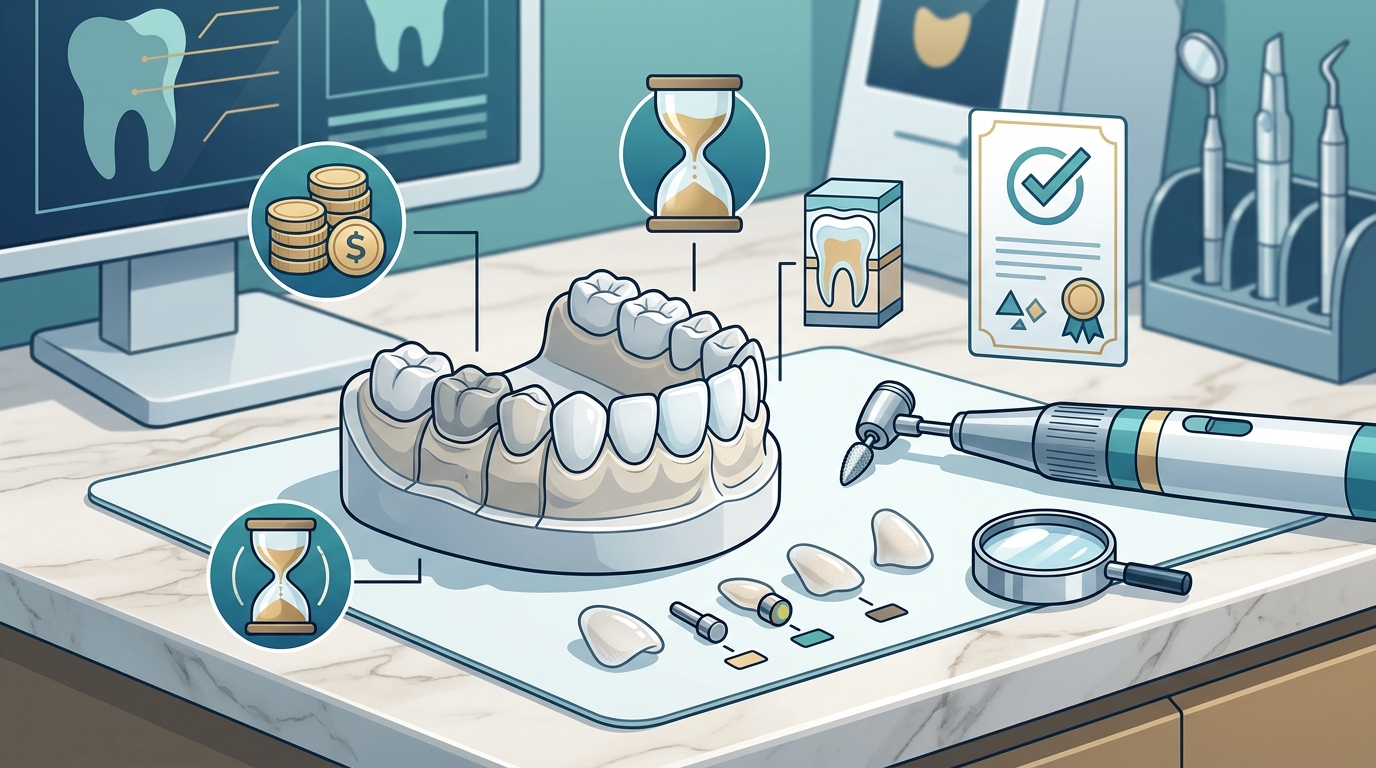
One of the most significant factors to weigh is the permanence of the procedure. Unlike braces or clear aligners, which move teeth but do not alter their structure, veneers typically require the removal of a small amount of natural enamel. This process is irreversible. Once enamel is shaved down to create space for the veneer, it cannot grow back. This means that if you decide you do not like the result, or if a veneer fails, you cannot simply remove it and return to your original tooth shape without further restorative work.
Minimal Prep vs. No Prep
The amount of enamel removed varies by technique. Traditional veneers may require more reduction, while minimal prep or no-prep veneers preserve more of your natural tooth. However, even minimal prep involves some alteration. Understanding this commitment is crucial. You are choosing a long-term change to your teeth, not a temporary cosmetic fix.
Future Dental Needs
Consider your long-term dental goals. If you anticipate needing orthodontic treatment in the future, veneers may complicate that process. Discussing your entire dental roadmap with your provider ensures that your cosmetic choices align with your functional needs for decades to come.
Teeth Grinding Management
Bruxism, or teeth grinding and clenching, is a major risk factor for veneer failure. The forces generated by grinding can be immense, often exceeding the strength of natural enamel and porcelain. If you grind your teeth at night, you must manage this habit to protect your investment. Unmanaged bruxism can cause veneers to chip, crack, or debond from the tooth.
Protective Night Guards
Most cosmetic dentists recommend a custom-fitted occlusal guard or night guard for patients with a history of grinding. This device is worn during sleep to absorb the impact of clenching and prevent direct contact between your upper and lower teeth. It is a critical component of veneer aftercare. Without it, the lifespan of your veneers may be significantly reduced.
Stress and Habit Awareness
Grinding is often linked to stress or sleep disorders. Addressing the root cause through stress management or sleep hygiene can reduce the intensity of clenching. Your dentist can help you monitor your habits and adjust your protective measures as needed to ensure your smile remains intact.
Cost and Longevity
Expected Lifespan
With proper care, porcelain veneers can last between 10 and 20 years. Their longevity depends on several factors, including your oral hygiene habits, diet, and whether you grind your teeth. Porcelain is a durable material that resists staining better than composite resin, making it a superior choice for long-term aesthetics. However, they are not indestructible. Avoiding habits like biting on ice, hard candy, or using your teeth to open packages is essential to maximizing their lifespan.
Financial Planning
Because veneers are a cosmetic procedure, they are rarely covered by dental insurance. You should budget for the full cost of the treatment, including any necessary preliminary work like fillings or gum treatment. Many practices, including Smiles by Dr. P, offer financing options to help make the treatment more accessible. Understanding the total financial commitment helps you decide if the investment aligns with your priorities.
Aesthetic Planning
The goal of porcelain veneers is to create a natural, harmonious smile that complements your facial features. Aesthetic planning is a collaborative process between you and your dentist. It involves determining the shape, size, and shade of your new veneers. This is not a one-size-fits-all procedure. Your dentist will consider your face shape, lip line, and personal preferences to design a smile that looks authentic rather than artificial.
Shade Selection
Choosing the right shade is critical. Many patients desire a bright white smile, but overly white teeth can look unnatural. Your dentist will use shade guides and digital imaging to help you select a color that matches your skin tone and the rest of your teeth. The translucency of porcelain allows for a realistic depth that mimics natural enamel. This level of detail is what separates high-quality cosmetic dentistry from standard restorative work.
Digital Smile Design
Advanced technology allows for digital smile design, where you can preview your potential results before any work begins. This tool helps bridge the gap between your expectations and the final outcome. It ensures that you are comfortable with the proposed changes, reducing the risk of dissatisfaction. At Smiles by Dr. P, digital tools are used to plan every detail, ensuring a predictable and beautiful result.
Provider Qualifications
The skill and experience of your dentist are perhaps the most important factors in the success of your veneers. Cosmetic dentistry is an art form as much as a science. A provider with extensive experience in porcelain veneers will have a refined eye for detail and a deep understanding of how to achieve natural-looking results. Look for a dentist who specializes in cosmetic dentistry and has a portfolio of before-and-after photos that demonstrate their expertise.
Experience and Artistry
Dr. Chirag Patel at Smiles by Dr. P has over 14 years of experience in cosmetic dentistry and has placed more than 25,000 veneers. This level of experience ensures that your treatment is handled with precision and care. A highly skilled provider will also use advanced diagnostic tools and collaborate with master ceramists to craft your veneers. The quality of the lab work is just as important as the clinical skill of the dentist.
Conservative Approach
Modern cosmetic dentistry emphasizes a conservative approach that preserves as much natural tooth structure as possible. A qualified provider will discuss the minimally invasive options available to you, such as no-prep or minimal-prep veneers. This philosophy prioritizes the long-term health of your teeth while achieving your aesthetic goals. Choosing a provider who values tooth preservation is a key indicator of their commitment to your well-being.
Key Takeaways
- Ensure your oral health is stable, with no active decay or gum disease, before starting veneer treatment.
- Understand that enamel removal is irreversible and requires a long-term commitment to the procedure.
- Manage teeth grinding with a custom night guard to protect your investment and prevent chipping.
- Budget for the full cost, as veneers are a cosmetic expense typically not covered by insurance.
- Expect your veneers to last 10 to 20 years with proper care and maintenance.
- Collaborate with your dentist on aesthetic planning to ensure the shade and shape complement your face.
- Choose a provider with extensive experience in cosmetic dentistry and a conservative, tooth-preserving approach.
Frequently Asked Questions
How long do porcelain veneers last?
With proper care, porcelain veneers can last between 10 and 20 years. Factors such as oral hygiene, diet, and teeth grinding can affect their longevity. Regular dental check-ups and professional cleanings are essential to maintaining their appearance and function.
Do I need to remove enamel for veneers?
Most traditional veneers require the removal of a small amount of enamel to ensure a proper fit. However, minimal prep or no-prep veneers are available for some patients, which preserve more of the natural tooth structure. Your dentist will determine the best approach based on your specific case. according to Survival Rates for
Are veneers reversible?
No, veneers are not reversible. Once enamel is removed to accommodate the veneer, it cannot be restored. If a veneer is removed, the tooth will require another form of restoration, such as a crown or bonding, to maintain its shape and strength.
How much do porcelain veneers cost?
Can I eat normally with veneers?
Yes, you can eat most foods with veneers. However, you should avoid using your teeth to open packages, bite on ice, or chew on hard objects like hard candy or nuts. These habits can cause the veneers to chip or crack. A night guard is recommended if you grind your teeth.
How do I choose the right dentist for veneers?
Look for a cosmetic dentist with extensive experience in porcelain veneers. Review their portfolio of before-and-after photos and read patient testimonials. A qualified provider will use advanced technology, such as digital smile design, and will prioritize a conservative approach that preserves your natural teeth.