

Common Mistakes in Conservative Porcelain Veneer Treatment and How to Avoid Them
Porcelain veneers represent the gold standard in cosmetic dentistry for transforming smiles with minimal intervention. However, the margin for error in conservative dentistry is exceptionally thin. A single misstep in diagnosis, preparation, or bonding can compromise the longevity of the restoration and the health of the underlying tooth structure. According to recent clinical studies on restorative durability, improper case selection remains the leading cause of veneer failure, affecting nearly 15% of patients within the first five years. This guide details the critical errors dentists and patients must avoid to ensure a successful, long-lasting smile makeover.
Mistake 1: Inadequate Diagnostic Planning
The most frequent error in veneer treatment is skipping the diagnostic phase. Many practitioners rush to prepare teeth without a clear vision of the final aesthetic outcome. This lack of planning often leads to disproportionate tooth shapes or unnatural gum lines. A proper diagnostic workflow includes digital smile design, wax-ups, and mock-ups to visualize the result before any enamel is removed.
At Smiles by Dr. P, we prioritize a collaborative smile makeover journey. Dr. Chirag Patel meticulously plans each smile to ensure it is a pure reflection of the patient's unique facial aesthetics. This approach prevents the common pitfall of creating a "one-size-fits-all" smile that looks generic or out of place. Without this foundational planning, even the most skilled hands can produce a result that lacks harmony.
Mistake 2: Aggressive Tooth Reduction
Conservative dentistry relies on preserving as much natural tooth structure as possible. A critical mistake is over-preparing the teeth, which can lead to pulp sensitivity and increased risk of root canal therapy. When too much enamel is removed, the veneer loses its primary bonding surface, compromising its retention. This error is particularly dangerous in cases where minimal-prep veneers are indicated but conventional preparation is chosen unnecessarily.
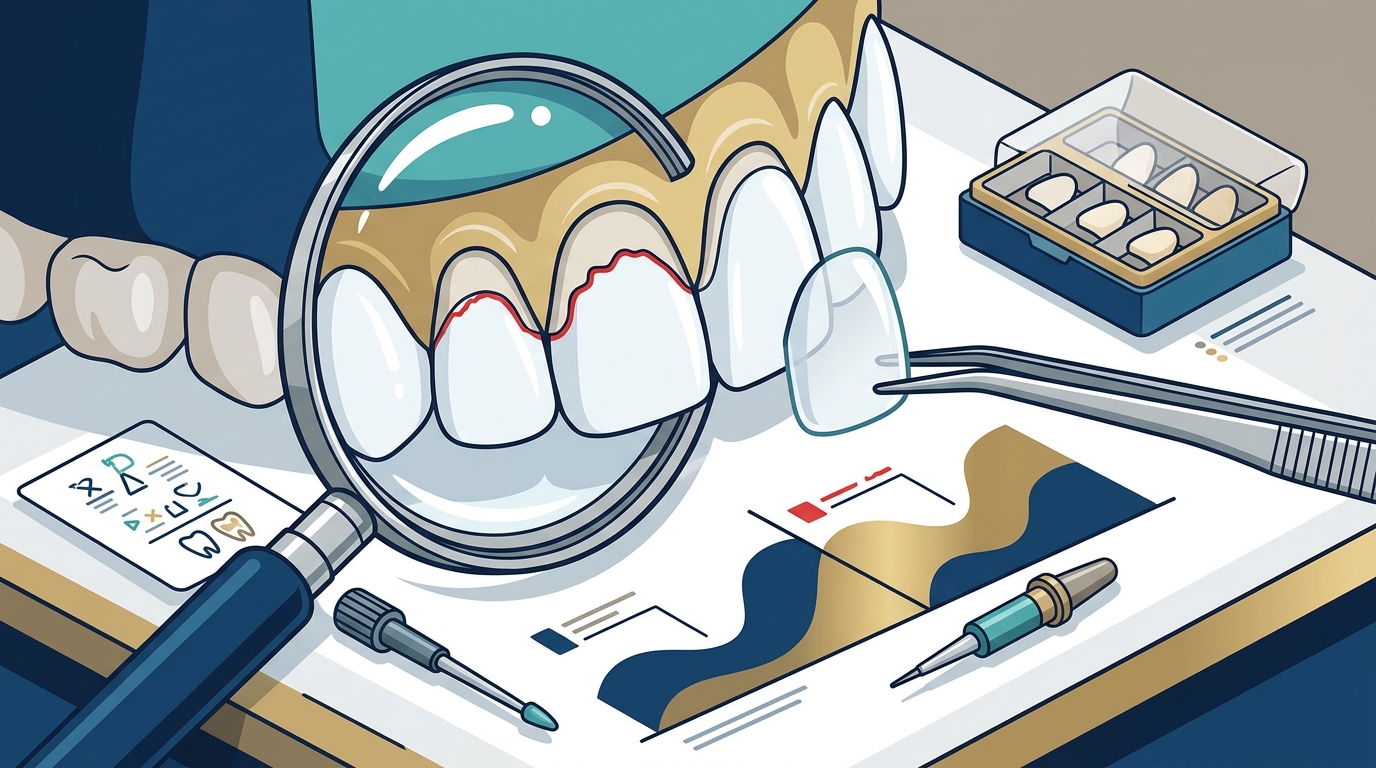
Porcelain veneers are very thin shells made of ceramic that cover the front part of teeth. They offer a conservative approach to correcting tooth damage, staining, chips, and cracks. By maintaining a precise reduction depth, typically between 0.3mm and 0.5mm for minimal-prep cases, we ensure the veneer looks natural and the tooth remains vital. Our focus on a conservative approach to dentistry ensures that your oral health is never compromised for aesthetics.
Mistake 3: Poor Bonding Protocol
The longevity of a veneer depends entirely on the bond between the porcelain and the tooth. A common mistake is inadequate isolation during the bonding process. Saliva or blood contamination can prevent the resin cement from adhering properly, leading to microleakage, staining, and eventual debonding. This step requires absolute precision and the use of rubber dams or effective retraction techniques.
Another error is improper etching of the porcelain surface. If the veneer is not correctly silanated and etched, the chemical bond will fail. Dr. Patel and his team utilize state-of-the-art bonding protocols to ensure a hermetic seal. This meticulous attention to detail is what sets us apart in the cosmetic dental world, ensuring your veneers remain secure and stain-free for years to come.
Mistake 4: Ignoring Occlusal Forces
Grinding and clenching of teeth can occur consciously or unconsciously, exerting incredible amounts of pressure on your teeth and veneers. Ignoring these parafunctional habits is a major mistake. Porcelain is strong but brittle; excessive force can cause fractures or cracks in the restoration. If a patient has a history of bruxism, failing to address this issue during treatment planning will likely result in premature failure of the veneers.
We recommend the use of occlusal guards for patients with clenching habits. An occlusal guard prevents any unusual forces on your dental veneers by stopping your top and bottom teeth from coming together during sleep. This protective measure guides your jaw in a more relaxed position, allowing your muscles to relax and preserving your investment. At Smiles by Dr. P, we evaluate your bite thoroughly to determine if additional protective measures are needed.
Mistake 5: Neglecting Post-Operative Care
Aftercare is often overlooked by patients who believe the work is "done." However, veneer maintenance is easy but essential. Brushing twice a day for a minimum of two minutes is imperative to prevent cavities around or under veneers. Flossing at least once a day is also critical to remove plaque from the gum line. Neglecting these habits can lead to decay at the veneer margin, which is difficult to detect and treat.
We highly recommend using a water flosser once a day for a more thorough cleaning. Additionally, regular dental visits are necessary to monitor the health of the gums and the integrity of the veneers. You should get oral evaluations with X-rays once a year to evaluate for any cavities, cracks, fractures, or any other infections in your oral cavity. For more detailed instructions, please review our Aftercare of Veneers guide.
Comparison of Veneer Types and Indications
Choosing the right type of veneer is crucial to avoiding treatment mistakes. Below is a summary of common veneer options and their appropriate clinical indications.
| Veneer Type | Tooth Preparation | Best For | Longevity |
|---|---|---|---|
| Porcelain Veneers | Minimal to Moderate | Staining, Chips, Gaps | 10-20 Years |
| No Prep Veneers | None or Minimal | Minor Shape Corrections | 10-15 Years |
| Clear Aligners | None | Crowding/Misalignment | Variable |
Key Takeaways
- Diagnostic Precision: Digital smile design and mock-ups are essential to avoid aesthetic mismatches and ensure patient satisfaction before treatment begins.
- Conservative Prep: Preserving natural enamel is critical for bond strength and tooth vitality. Over-preparation leads to sensitivity and reduced longevity.
- Bonding Integrity: Strict isolation and proper etching protocols are non-negotiable for preventing microleakage and secondary decay.
- Protective Measures: Night guards are vital for patients with bruxism to prevent fracture of the porcelain restorations.
- Hygiene Maintenance: Daily flossing and regular professional cleanings prevent gum disease and decay at the veneer margins.
- Expert Selection: Choosing a specialist like Dr. Patel ensures that complex cases, such as tetracycline stains or bite corrections, are handled with precision.
- Realistic Expectations: Understanding the limitations of veneers helps patients avoid disappointment and ensures a collaborative treatment plan.
Frequently Asked Questions
What is the difference between porcelain veneers and porcelain crowns?
Porcelain veneers are very thin shells made of ceramic that cover the front part of teeth. They are used for cosmetic improvements and minor structural repairs. Porcelain crowns cover the entire tooth and are used to restore severely damaged teeth or after root canal therapy.
How long do conservative porcelain veneers last?
With proper care and maintenance, porcelain veneers can last between 10 to 20 years. Their longevity depends on oral hygiene, avoiding hard foods, and wearing night guards if you grind your teeth.
Can veneers be removed if I don't like them?
While veneers are reversible in some minimal-prep cases, conventional veneers require the removal of enamel. Once enamel is removed, the tooth will always require a restoration. It is crucial to be confident in your decision before proceeding.
Do veneers stain over time?
Porcelain is highly resistant to stains compared to natural teeth. However, the bonding cement can occasionally discolor if oral hygiene is poor. Regular professional cleanings help maintain the brightness of your smile.
What is the process for getting veneers in Beverly Hills?
The process typically involves a consultation, digital imaging, tooth preparation, temporary veneers, and final bonding. At Smiles by Dr. P, we provide a signature experience with exclusive time dedicated to your care under one roof.
Are no-prep veneers suitable for everyone?
No-prep veneers are ideal for patients with minor shape or color issues who have sufficient enamel. They are not suitable for significant crowding or large gaps, which may require orthodontic treatment or conventional veneers.
How do I care for my veneers after the procedure?
You should brush twice a day, floss daily, and avoid habits like nail-biting or chewing ice. Regular dental visits are essential to monitor the health of your gums and the integrity of the veneers.
Ready to Transform Your Smile?
Avoiding common mistakes in veneer treatment starts with choosing the right provider. Dr. Chirag Patel and his team at Smiles by Dr. P are leaders in the field of cosmetic dentistry. We specialize in porcelain veneers, minimal-prep veneers, and natural smile makeovers for patients across Los Angeles and Beverly Hills. Our office is focused on providing you a customized smile that is unique and a pure reflection of you.
Do not let fear of mistakes hold you back from the smile you deserve. Schedule a consultation today to discuss your goals and learn how our conservative approach can enhance your oral health and aesthetics. Contact us at (323) 909-9300 or visit our New Patient portal to get started.