

Conservative Cosmetic Dentistry in Beverly Hills: Preserving Natural Tooth Structure
Modern cosmetic dentistry has shifted dramatically away from aggressive tooth reduction toward a philosophy of preservation. According to recent clinical trends, patients in Beverly Hills are increasingly prioritizing minimal-prep and no-prep veneers to maintain their natural enamel integrity. This conservative approach ensures that the structural foundation of your smile remains intact while achieving dramatic aesthetic improvements. The goal is not just to change how your teeth look, but to ensure they remain healthy and functional for decades to come.
What Is Conservative Dentistry?
Conservative dentistry is a clinical philosophy that prioritizes the preservation of natural tooth structure above all else. Instead of removing healthy enamel to accommodate restorations, this approach seeks to work with the existing anatomy of the teeth. This method reduces the risk of post-operative sensitivity and extends the longevity of the dental work. By maintaining the bond between the tooth and the restoration, dentists can ensure a more durable and biocompatible outcome.
At Smiles by Dr. P, we define conservative dentistry as a patient-centered approach that balances aesthetic goals with biological health. Dr. Chirag Patel, a leader in cosmetic dentistry in Beverly Hills, emphasizes that every millimeter of natural enamel saved contributes to the overall strength of the tooth. This philosophy is particularly critical for patients considering long-term smile makeovers.
The traditional model of cosmetic dentistry often involved significant tooth reduction. Today, advanced materials and digital planning allow for thinner, stronger restorations. This evolution means that patients no longer need to sacrifice their natural teeth for a beautiful smile. The focus has shifted from "covering up" problems to "enhancing" what is already there.
Veneers vs. Traditional Prep
Understanding the difference between traditional and conservative veneer preparation is essential for making an informed decision. Traditional veneers typically require the removal of 0.5 to 1.0 millimeters of enamel. This process is irreversible and exposes the dentin layer, which can lead to increased sensitivity. While traditional veneers are effective, they represent a more aggressive intervention.
In contrast, conservative veneers utilize minimal or no tooth reduction. This approach relies on high-strength ceramics that can be fabricated in ultra-thin layers. The result is a restoration that looks natural and feels like part of the tooth. Patients who choose this path often report a quicker recovery time and less discomfort during the procedure.
Dr. Patel and his team at Smiles by Dr. P use meticulous planning to determine the least invasive path for each patient. This involves detailed analysis of the bite, gum line, and tooth alignment. By customizing the treatment plan, they ensure that the final result is both aesthetically pleasing and biologically sound. This personalized approach is a hallmark of their practice in Los Angeles and Beverly Hills.
The Minimal-Prep Advantage
Minimal-prep veneers represent the sweet spot between aesthetics and preservation. These veneers require only a fraction of a millimeter of enamel removal, often just enough to create space for the porcelain. This technique is ideal for patients who have minor imperfections, such as slight chips, stains, or gaps. The goal is to enhance the smile without altering the fundamental shape of the teeth.
The materials used in minimal-prep veneers are engineered for strength and translucency. Modern lithium disilicate ceramics, for example, offer exceptional durability while mimicking the light-reflecting properties of natural enamel. This allows the veneers to blend seamlessly with the surrounding teeth. The result is a smile that looks authentic and undetectable.
Another significant advantage of minimal-prep veneers is their reversibility. In some cases, if a patient decides against the procedure in the future, the remaining enamel can often be preserved. This flexibility provides patients with peace of mind. It also aligns with the broader trend in dentistry toward reversible and less invasive treatments. For more details on the process, you can explore the Process of Veneers page.
No-Prep Veneers Explained
No-prep veneers, often referred to as Lumineers or ultra-thin veneers, require little to no removal of natural tooth structure. These veneers are bonded directly to the existing enamel, preserving the tooth's integrity completely. This option is perfect for patients who want a dramatic change without any irreversible alterations. It is particularly popular among those who are nervous about dental procedures.
However, no-prep veneers are not suitable for every case. Patients with severe crowding or significant misalignment may still require minimal preparation to achieve a natural fit. Dr. Patel evaluates each patient's unique anatomy to determine if they are a candidate for this approach. The goal is always to achieve the best aesthetic result with the least amount of intervention.
For patients who are candidates, no-prep veneers offer a quick and comfortable experience. The procedure often requires fewer appointments and less anesthesia. The veneers are custom-made to fit over the teeth like a contact lens. This method highlights the precision and artistry involved in modern cosmetic dentistry. Learn more about the No Prep Veneers option on our website.
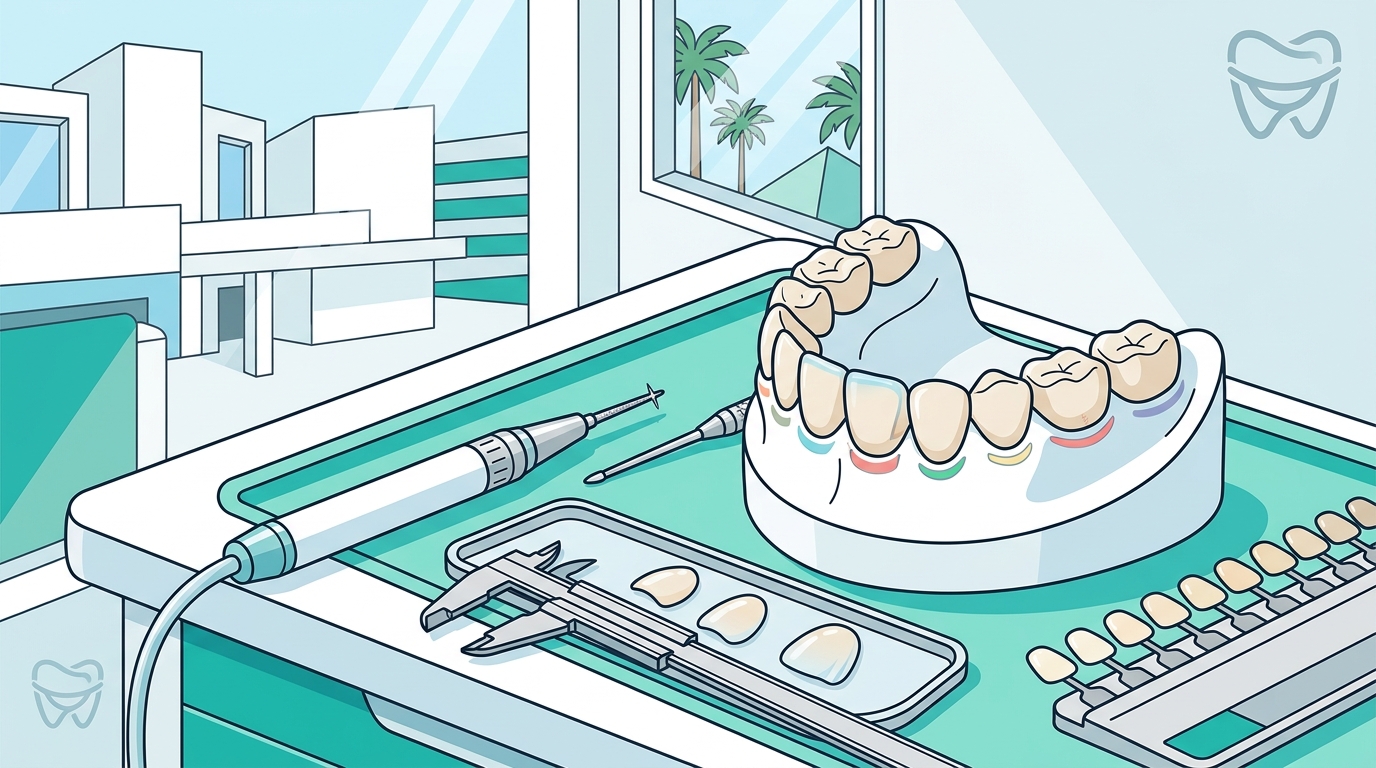
Treatment Comparison
To help you understand the differences between these approaches, here is a detailed comparison of conservative dental treatments.
| Treatment Type | Tooth Reduction | Ideal Candidate | Reversibility |
|---|---|---|---|
| No-Prep Veneers | None or Minimal | Minor gaps, stains, or slight crowding | Highly Reversible |
| Minimal-Prep Veneers | 0.3mm - 0.5mm | Discoloration, chips, or shape correction | Potentially Reversible |
| Traditional Veneers | 0.5mm - 1.0mm | Severe damage or major alignment issues | Irreversible |
| Clear Aligners | None | Mild to moderate crowding | Reversible |
Key Takeaways
- Preservation is Priority: Conservative dentistry focuses on saving natural enamel to maintain tooth strength and reduce sensitivity.
- Minimal-Prep Options: These veneers require only a fraction of a millimeter of reduction, offering a balance of aesthetics and preservation.
- No-Prep Feasibility: Ultra-thin veneers can be bonded to unaltered teeth, providing a reversible cosmetic solution for suitable candidates.
- Expert Evaluation: Dr. Chirag Patel at Smiles by Dr. P uses advanced diagnostics to determine the least invasive path for each patient.
- Long-Term Health: Preserving tooth structure leads to better long-term outcomes and easier maintenance of the smile.
- Customized Care: Each smile makeover is handcrafted to reflect the patient's unique facial aesthetics and oral health needs.
- Local Expertise: Beverly Hills patients benefit from access to top-tier cosmetic dentistry with a focus on natural results.
Frequently Asked Questions
What is the difference between minimal-prep and no-prep veneers?
Minimal-prep veneers require a very small amount of enamel removal (typically less than 0.5mm) to ensure a proper fit and natural look. No-prep veneers are ultra-thin and are bonded directly to the existing tooth structure with little to no reduction. The choice depends on your specific dental anatomy and aesthetic goals.
Are conservative veneers as strong as traditional ones?
Yes, modern ceramic materials used in conservative veneers are highly durable and resistant to fracture. Advances in dental technology allow these thin layers to withstand normal biting forces. With proper care, they can last as long as traditional veneers.
How do I know if I am a candidate for no-prep veneers?
Candidates for no-prep veneers typically have minor cosmetic issues such as small gaps, slight discoloration, or minor chips. Patients with significant crowding or misalignment may require minimal preparation to achieve a natural result. A consultation with Dr. Patel will determine your eligibility.
Is the process of getting conservative veneers painful?
The procedure is generally comfortable and often requires little to no anesthesia, especially for no-prep veneers. Because less tooth structure is removed, there is less risk of post-operative sensitivity. Most patients return to their normal activities immediately after the procedure.
How long do conservative veneers last?
With proper care, conservative veneers can last between 10 and 20 years. Regular dental check-ups and good oral hygiene are essential for longevity. Dr. Patel provides detailed aftercare instructions to help you maintain your smile.
Can I whiten my teeth after getting veneers?
Veneers themselves cannot be whitened, as they are stain-resistant. However, your natural teeth may change color over time. To maintain a uniform smile, your dentist may recommend whitening your natural teeth before or after the veneer placement to match the shade.
What is the cost of conservative veneers in Beverly Hills?
The cost varies depending on the number of veneers and the specific technique used. Minimal-prep and no-prep options may have different pricing structures. Visit our Cost of Porcelain Veneers page for detailed information and financing options.
Schedule Your Consultation
Ready to explore the benefits of conservative cosmetic dentistry? Dr. Chirag Patel and the team at Smiles by Dr. P are here to help you achieve a natural, healthy, and beautiful smile. Located in Beverly Hills, our practice offers personalized care tailored to your unique needs. Contact us today to schedule a consultation and discover how we can enhance your smile while preserving your natural tooth structure.