
Porcelain veneers are thin shells of ceramic that cover the front surface of teeth to improve appearance. According to the American Academy of Cosmetic Dentistry, the average lifespan of porcelain veneers is between 10 and 15 years with proper care. This statistic highlights that durability is not just about the material but also about the precision of the placement and the patient's maintenance habits. Understanding the specific criteria that define high-quality veneers is critical for anyone considering this cosmetic procedure. The difference between a temporary fix and a lifelong investment lies in the details of the craftsmanship and the clinical approach. (Porcelain Veneers in Beverly)
Material Science and Ceramic Types
The foundation of any durable veneer is the ceramic material used. Not all porcelain is created equal. The quality of the veneer depends heavily on the specific type of ceramic selected for your case. High-quality veneers utilize feldspathic porcelain or lithium disilicate, both of which offer distinct advantages in strength and aesthetics. (Dental Implants Los Angeles)
Feldspathic Porcelain
Feldspathic porcelain is the gold standard for aesthetic naturalism. This material is layered by hand to mimic the translucency and opalescence of natural tooth enamel. It allows for exceptional light reflection, which is crucial for a realistic smile. However, it requires a highly skilled technician to ensure structural integrity. When executed correctly, feldspathic veneers provide the most lifelike appearance available in cosmetic dentistry. (Porcelain Veneers in Beverly)
Lithium Disilicate
Lithium disilicate, often known by brand names like E.max, offers superior strength compared to traditional feldspathic porcelain. This material is ideal for patients who require additional durability due to bite forces or minor structural compromises. It balances aesthetic beauty with mechanical resilience, making it a versatile choice for many clinical scenarios. The choice between these materials should be determined by your specific dental anatomy and aesthetic goals. (blog Page 1)
Clinical Preparation and Minimal Prep
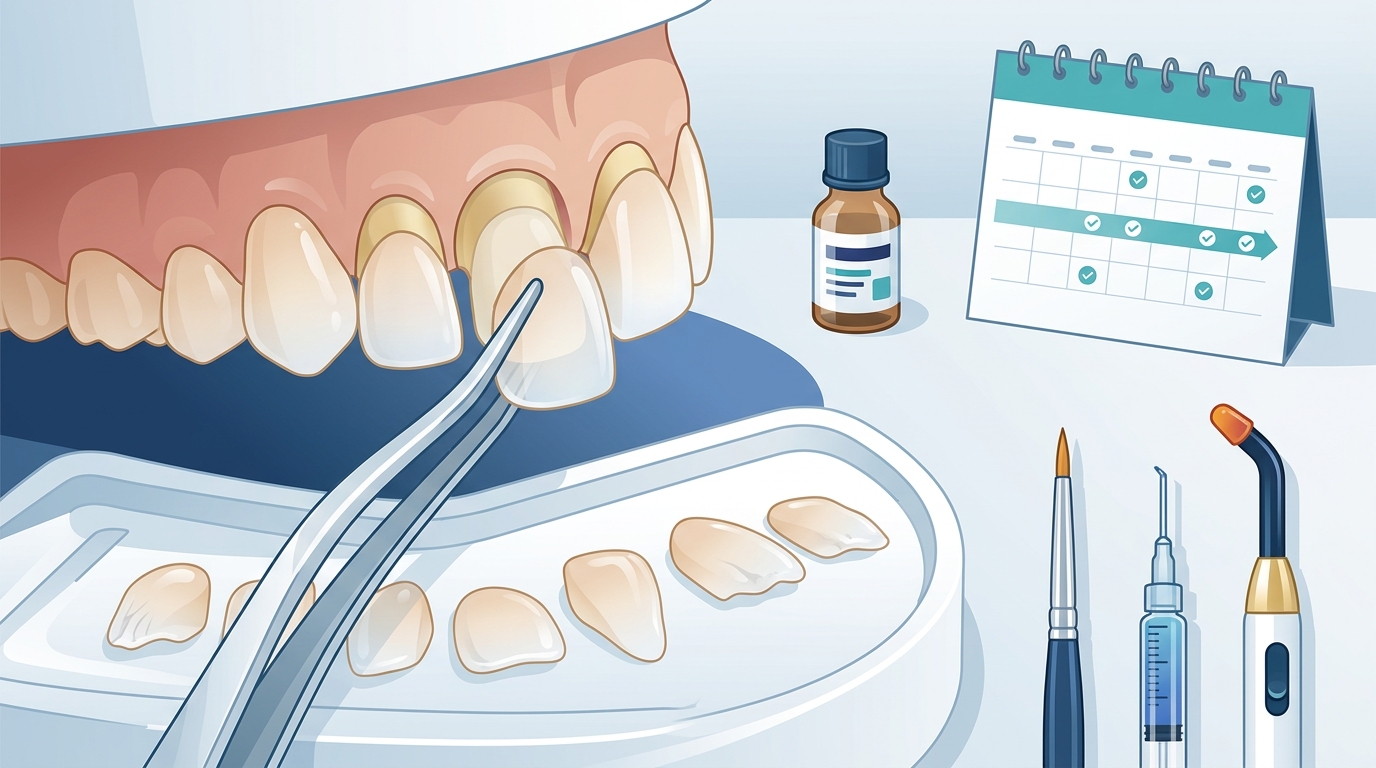
The way a dentist prepares your teeth significantly impacts the longevity of the veneers. The goal of modern cosmetic dentistry is to preserve as much natural tooth structure as possible. This approach is known as minimal-prep or no-prep veneers. Dr. Chirag Patel at Smiles by Dr. P specializes in this conservative approach, ensuring that the veneers are bonded to the strongest part of your tooth. (Cost of Porcelain Veneers)
The Importance of Tooth Structure
Every millimeter of enamel you keep increases the bond strength of the veneer. Enamel provides a superior surface for adhesive bonding compared to dentin. When a dentist removes too much tooth structure, the veneer may rely on weaker dentin bonds, which can lead to premature failure. A conservative preparation ensures that the veneer remains securely attached for decades. This philosophy aligns with the principle of preserving oral health while enhancing aesthetics.
Minimal-Prep Veneers
Minimal-prep veneers require little to no removal of tooth enamel. This technique is possible because modern ceramics are incredibly thin yet strong. These veneers are often referred to as "lumineers" or "no-prep veneers" in marketing, but the clinical reality involves precise planning. The benefit is that the procedure is often reversible, and the gums remain healthy due to minimal irritation. This approach is particularly effective for patients with small teeth or those who have gaps between their teeth.
The Role of Laboratory Craftsmanship
The quality of the final product is largely determined by the dental laboratory that fabricates the veneers. High-quality veneers are not mass-produced; they are handcrafted by master dental technicians. The process involves multiple layers of porcelain to create depth and character. A skilled technician understands how to manipulate light to create a natural look.
Custom Shade Matching
Generic shade guides often fail to capture the unique color variations of natural teeth. High-quality veneers are custom-shaded to match your specific skin tone, eye color, and existing tooth structure. This customization ensures that the veneers blend seamlessly with your natural smile. The technician may use multiple shades within a single veneer to mimic the natural gradient of a tooth. This attention to detail is what separates premium veneers from standard restorations.
Fit and Margins
The fit of the veneer is critical for long-term success. The margins, or the edges where the veneer meets the tooth, must be invisible and precise. Poorly fitted veneers can trap plaque and bacteria, leading to decay and gum disease. A high-quality veneer will have a seamless transition that is difficult to detect even with a dental explorer. This precision requires advanced digital scanning and milling technology combined with manual finishing.
Bonding Protocols and Adhesion
The bonding process is the most critical step in the veneer placement. Even the best veneer will fail if the bonding protocol is not followed meticulously. The bond between the porcelain and the tooth must be strong enough to withstand chewing forces and thermal changes. This process involves etching, priming, and cementing the veneer in place.
Etching and Priming
The tooth surface is etched with acid to create microscopic pores. This increases the surface area for the adhesive to grip. The porcelain veneer is also etched and silanated to create a chemical bond with the cement. This dual-etching process ensures that the bond is both mechanical and chemical. Without this step, the veneer would rely solely on friction, which is insufficient for long-term durability.
Cement Selection
The choice of dental cement affects both the strength and the aesthetics of the veneer. Resin cements are used because they are strong and can be color-adjusted. The dentist must carefully control the amount of cement to ensure a thin, uniform layer. Excess cement can lead to gum inflammation and poor aesthetics. The curing process, where light hardens the cement, must be thorough to ensure maximum strength. This step requires precision and experience to avoid voids or weak spots in the bond.
Long-Term Maintenance and Aftercare
The durability of your veneers is directly linked to your daily habits and maintenance routine. While porcelain is stain-resistant and strong, it is not indestructible. Proper care can extend the life of your veneers well beyond the average 10 to 15 years. Neglecting maintenance can lead to premature failure and the need for replacement.
Oral Hygiene Practices
Brushing and flossing are essential to prevent decay around the veneer margins. You should brush twice a day for two minutes using a non-abrasive toothpaste. Abrasive toothpastes can scratch the porcelain surface, making it more prone to staining. Flossing daily removes plaque from between the teeth and under the gumline. Using a water flosser can be particularly effective for cleaning around the veneer edges without damaging the gums.
Protective Measures
If you grind your teeth at night, a night guard is essential. Bruxism, or teeth grinding, exerts tremendous force on veneers and can cause them to chip or fracture. A custom-fitted occlusal guard protects both your natural teeth and your veneers from this damage. It also helps to relax the jaw muscles and reduce tension. Wearing a night guard is a small investment that can save you from costly repairs in the future.
Regular Dental Visits
Regular check-ups and cleanings are necessary to monitor the health of your veneers and gums. Your dentist will check for any signs of decay, chipping, or debonding. Professional cleanings remove tartar that cannot be removed by brushing alone. It is important to inform your hygienist about your veneers so they can use appropriate tools. Avoiding hard foods like ice or hard candy can also prevent accidental damage to your veneers.
Key Takeaways
- Material Choice: Feldspathic porcelain offers superior aesthetics, while lithium disilicate provides enhanced strength.
- Conservative Prep: Minimal-prep techniques preserve natural enamel, which is critical for strong bonding.
- Custom Craftsmanship: Hand-layered veneers with custom shading provide a more natural and realistic smile.
- Bonding Precision: The success of the veneer depends on meticulous etching and cementation protocols.
- Maintenance: Daily hygiene and night guards are essential for extending the lifespan of porcelain veneers.
- Expertise: The skill of the dentist and the technician is the most significant factor in veneer quality.
- Longevity: With proper care, porcelain veneers can last 10 to 15 years or longer.
Frequently Asked Questions
How long do porcelain veneers last?
Porcelain veneers typically last between 10 and 15 years. With excellent oral hygiene and regular dental visits, they can last even longer. The longevity depends on the quality of the materials, the skill of the dentist, and the patient's habits.
Are porcelain veneers stain resistant?
Yes, porcelain is highly resistant to stains from coffee, tea, and wine. However, the bonding cement can sometimes discolor over time. Maintaining good oral hygiene and avoiding excessive staining foods can help preserve the brightness of your smile.
Do veneers require special cleaning products?
You do not need special cleaning products for your veneers. A standard non-abrasive toothpaste and a soft-bristled toothbrush are sufficient. Avoid whitening toothpastes that contain harsh abrasives, as they can scratch the porcelain surface.
Can veneers be repaired if they chip?
Minor chips can sometimes be repaired with composite bonding. However, significant damage usually requires the replacement of the veneer. It is important to see your dentist immediately if you notice any damage to prevent further complications.
What is the difference between minimal-prep and no-prep veneers?
Minimal-prep veneers require a very small amount of enamel removal to ensure a proper fit and bond. No-prep veneers require little to no removal of tooth structure. The choice depends on the shape and size of your teeth and the desired outcome.
Do veneers look natural?
High-quality porcelain veneers are designed to look indistinguishable from natural teeth. They mimic the translucency and color variations of natural enamel. The key is the custom shading and layering technique used by the dental technician.
Are veneers painful to get?
The procedure is generally painless due to local anesthesia. You may experience some sensitivity or discomfort after the anesthesia wears off, but this is usually manageable with over-the-counter pain relievers. Smiles by Dr. P ensures a comfortable experience with sedation options available.
Schedule Your Consultation
Investing in porcelain veneers is a significant decision that requires careful consideration of quality and durability. Dr. Chirag Patel and his team at Smiles by Dr. P are dedicated to providing the highest standard of cosmetic dentistry in Beverly Hills and Los Angeles. We specialize in minimal-prep veneers and natural smile makeovers that enhance your confidence and oral health. Contact us today to schedule a consultation and discover how we can help you achieve your dream smile.
Schedule a Consultation